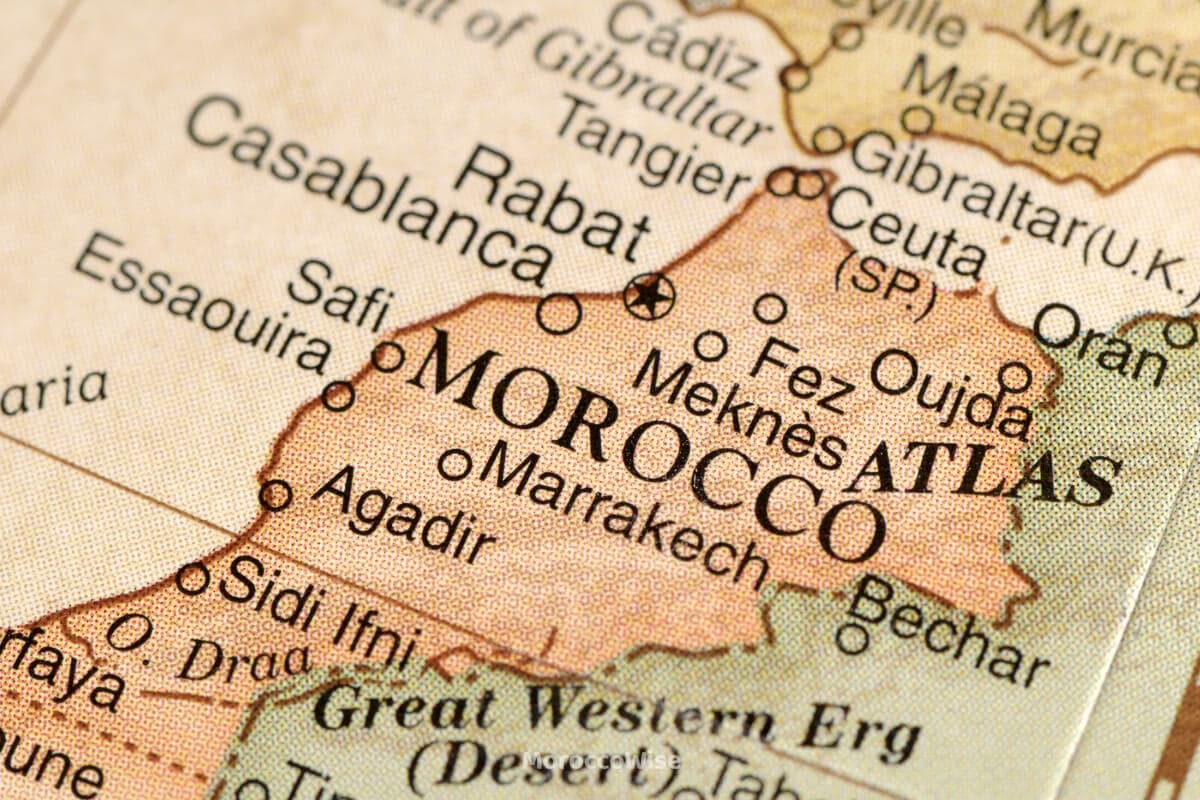
Morocco is a country where a few hours on the road can take you from Atlantic air to an inland plain, a mountain pass, or the edge of the Sahara. Transport is part of the experience, but distances and terrain deserve respect: a route that looks short on a map may take much of the day once you include station transfers, winding roads, and a stop for lunch. I plan journeys around how I want to feel when I arrive, not simply how many places I can fit into a week. For the main north–south city corridor, trains are often the calmest choice; for towns beyond the tracks, reputable buses and shared taxis fill the gaps.
Taking the Train (ONCF & Al Boraq)
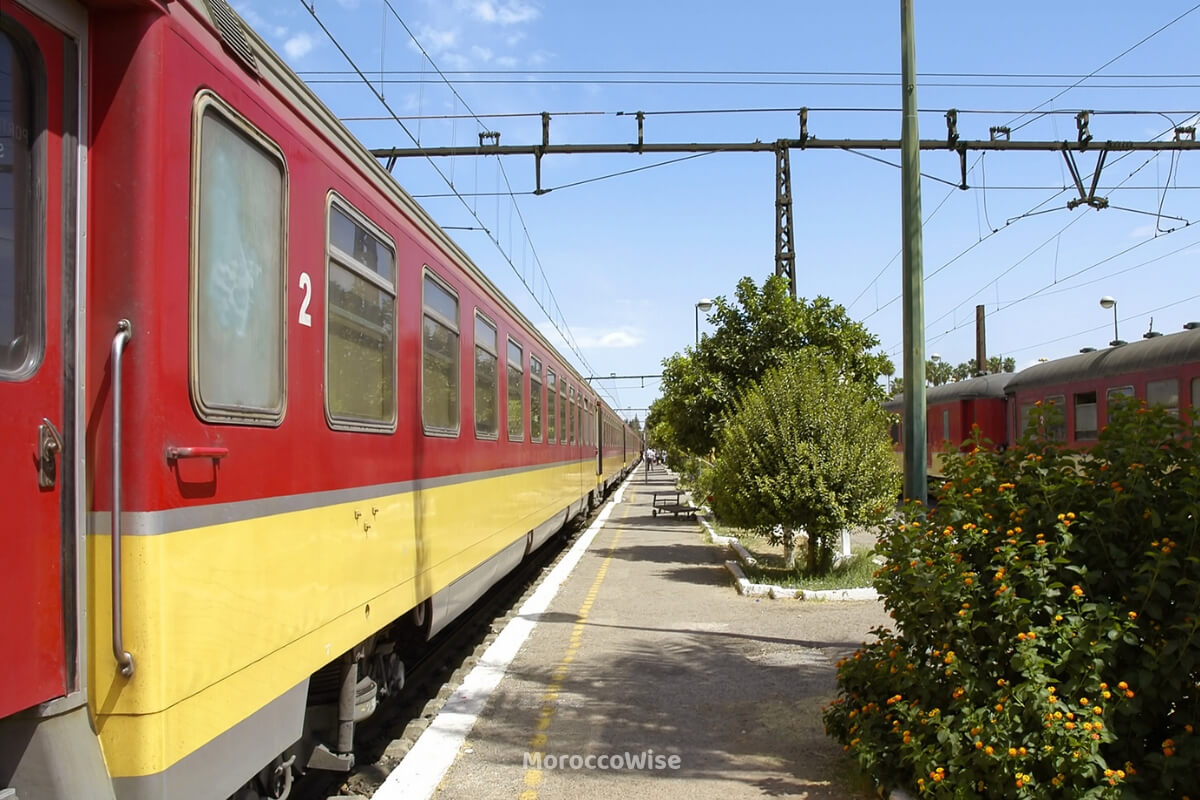
Morocco’s national rail operator, ONCF, links many of the country’s principal urban centers. The high-speed Al Boraq service connects Tangier with Casablanca, calling at Kenitra and Rabat-Agdal; conventional trains serve routes that include Casablanca, Rabat, Meknes, Fes, and Marrakech. This makes rail especially useful for an itinerary following the Atlantic and northern city corridor. It does not reach everywhere: there is no train to Chefchaouen, Essaouira, Agadir, or the desert, so those trips require a bus, taxi, or a combination of services.
Check the current ONCF timetable and fare directly before you travel. Departure patterns, engineering work, and seasonal demand can change, and the station printed on your ticket matters. Casablanca, for example, has more than one station; Rabat-Ville and Rabat-Agdal are different stops. Al Boraq is a faster, more modern service, while the conventional network is perfectly useful for its routes. First class generally reserves a seat; second class is a good-value option, although a busy departure can feel crowded. Buying in advance is sensible for a specific departure, especially during school holidays, weekends, and major public holidays.
At larger stations, allow time to find the correct concourse and platform. Read the departure boards, keep your ticket handy for access gates or checks, and do not assume a platform shown early cannot change. I like to arrive with time for a coffee and a snack rather than sprinting through the station with a bag. On board, keep valuables close, stow luggage where you can keep an eye on it, and bring water for longer journeys. Air conditioning can feel cool after a hot platform, so a light layer earns its place in your day bag.
Rail stations are not always next door to the medina or your hotel. Add the last-mile journey to your plan: a petit taxi, tram in cities where it operates, or a transfer arranged with your accommodation. If you arrive late, ask your lodging in advance which station exit and transport option they recommend. That small detail makes a much bigger difference than it seems when you are tired and carrying luggage.
When the train is the right call
- Choose rail for predictable city-to-city travel between stations on the ONCF network, especially Tangier–Rabat–Casablanca and onward conventional routes.
- Book a reserved seat when your arrival time matters, but allow a buffer for the transfer from the station to your accommodation.
- For a destination without rail access, compare total door-to-door time rather than assuming the train will be fastest.
Navigating the Bus System (CTM & Supratours)
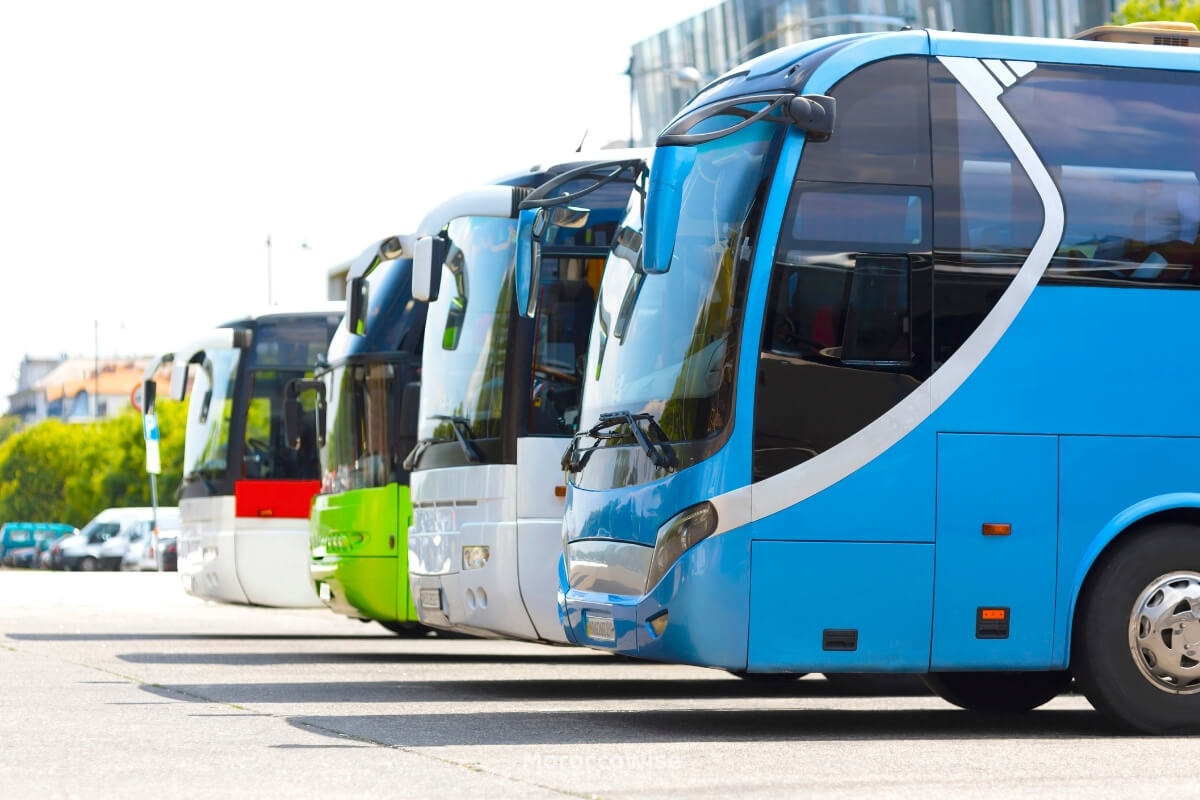
Intercity buses reach a much wider map than the railway. CTM and Supratours are well-known operators with scheduled services on many popular routes. Supratours is associated with ONCF and can be useful for linking rail journeys to places such as Essaouira or other destinations not served by train; exact connections and schedules depend on the current timetable. Other regional bus companies also operate, with varying facilities and standards. For an unfamiliar or long route, a clearly scheduled service with published stops and a ticket counter is reassuring.
Check departure and arrival terminals carefully. A company’s own station may not be the main train station, and the same city can have multiple bus terminals. Confirm the address when you book, then add the local transfer to your travel time. In Marrakech, for example, a bus station transfer from your riad may involve a petit taxi and a walk with bags. Buy tickets through the operator’s official channels or at its station, confirm the baggage allowance, and keep the luggage stub if one is issued. During busy periods, buy ahead rather than expecting a seat on the next departure.
Journey times are estimates, not guarantees. Traffic around Casablanca and Marrakech, roadworks, weather in the Atlas, and rest stops can all change arrival times. If you have a flight, a non-refundable tour, or a train to catch, avoid stacking tight connections. An overnight bus may save a hotel night, but it can also leave you tired; consider whether arriving rested is worth more than the apparent time saving. Carry water, something to eat, tissues, hand sanitizer, and a layer for strong air conditioning. Keep medicines, passport, wallet, phone, and a change of clothes in a small bag with you instead of in the luggage hold.
Routes toward the High Atlas, the Atlantic coast, and the southeastern gateways cross varied terrain. A journey to Ouarzazate or Merzouga is not a simple hop from Marrakech; the route over the Tizi n’Tichka pass is mountainous and can be affected by weather or road conditions. Buses are a practical option, but take the schedule as a framework and avoid booking an onward connection that leaves no margin. If you are prone to motion sickness, sit where the ride feels steady to you and plan ahead with the remedies you normally use.
Make a bus day easier
- Verify the station address, baggage rules, and departure time with the operator close to travel day.
- Keep valuables and important documents in your personal bag; secure larger luggage and retain any claim ticket.
- Use a realistic arrival window when arranging a pickup or same-day connection, particularly on mountain routes.
Grand Taxis and Petit Taxis Explained
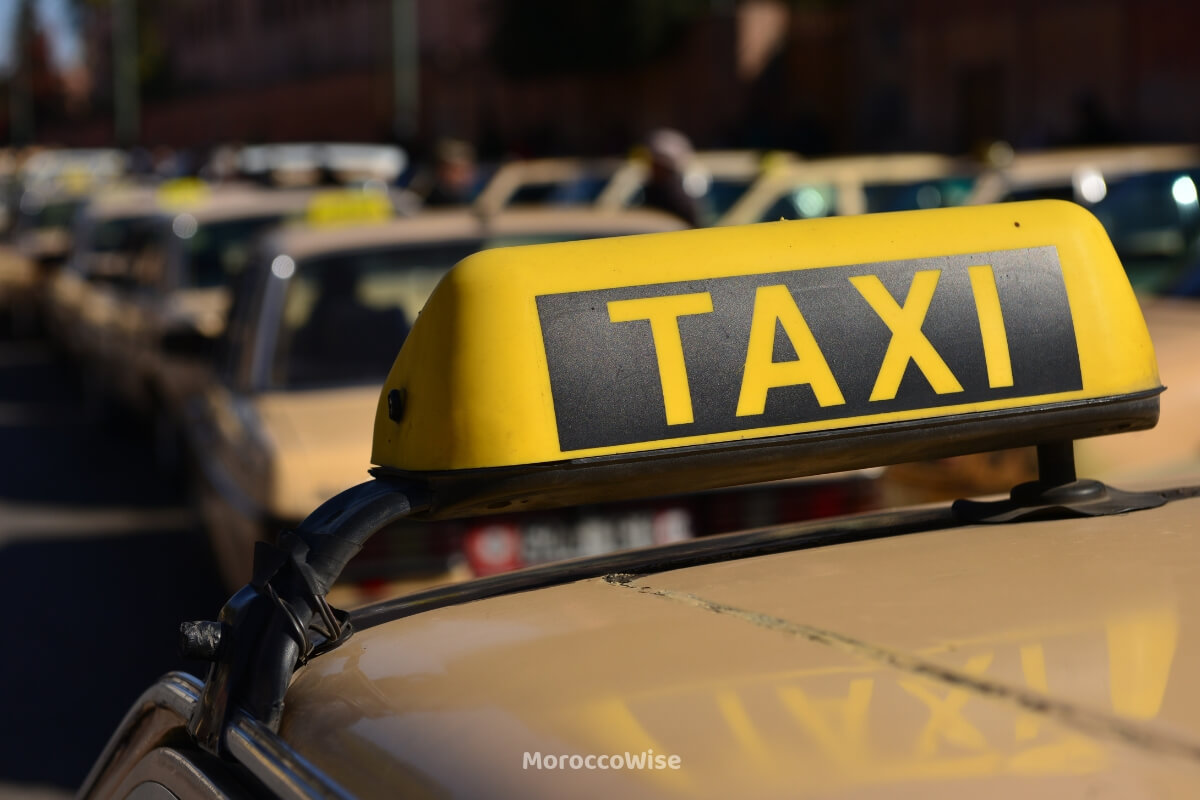
“Taxi” covers two very different kinds of ride. Petit taxis are small city cabs, often color-coded by city, and usually operate within an urban zone. Grand taxis are larger vehicles used for travel between towns, villages, and regional hubs. Knowing which one you need, and agreeing on the fare before you set off when appropriate, removes much of the uncertainty.
In a petit taxi, ask the driver to use the meter where one is available and working. If the meter is not used, agree on a price before getting in; fares can vary by city, time, and destination, so asking your hotel or a local for a typical range is more dependable than relying on a fixed figure from an old guide. Some taxis may pick up additional passengers along a shared route, depending on local practice and rules. If you need a direct ride, say so before the journey and confirm the price. Use an official rank at airports and stations where available, and do not feel obliged to accept an unsolicited ride from someone approaching you inside a terminal.
A grand taxi traditionally follows a regional route and may depart when enough seats are filled. Ask at a recognized stand which vehicle serves your destination, confirm the price per seat and whether the car leaves immediately or waits to fill, and check where it will drop you. On some routes you can pay for unoccupied seats to leave sooner or have more space; make the arrangement explicit. Vehicles and comfort levels differ, and a shared taxi can feel cramped, so for a long ride or a journey with children, luggage, or mobility needs, compare a scheduled bus or private transfer.
Road geography matters. Between Tangier and Chefchaouen, or from Marrakech toward the Atlas and the south, journey time is affected by winding roads, traffic, and weather. Grand taxis are not a substitute for checking local conditions, and it is sensible to avoid arriving in an unfamiliar town after dark if you have no onward plan. For remote mountain villages, discuss the return trip before leaving; a taxi that takes you there may not be waiting to bring you back.
Simple habits that work everywhere
- Keep your destination written in Arabic or French, or saved on a map, especially when pronunciation may be difficult.
- Confirm whether a quoted amount is per person or for the whole vehicle, and whether luggage is included.
- Carry small notes for fares and check that you have your belongings before leaving the car.
My rule of thumb is to use trains for the rail corridor, a reputable bus for longer connections beyond it, and taxis for the first and final stretch. Leave slack in the itinerary, especially when crossing the Atlas or traveling in winter, and remember that Morocco spans coast, mountains, plains, and desert rather than one uniform climate or road network. With those expectations, getting there becomes part of the trip instead of a problem to solve at the last minute.