
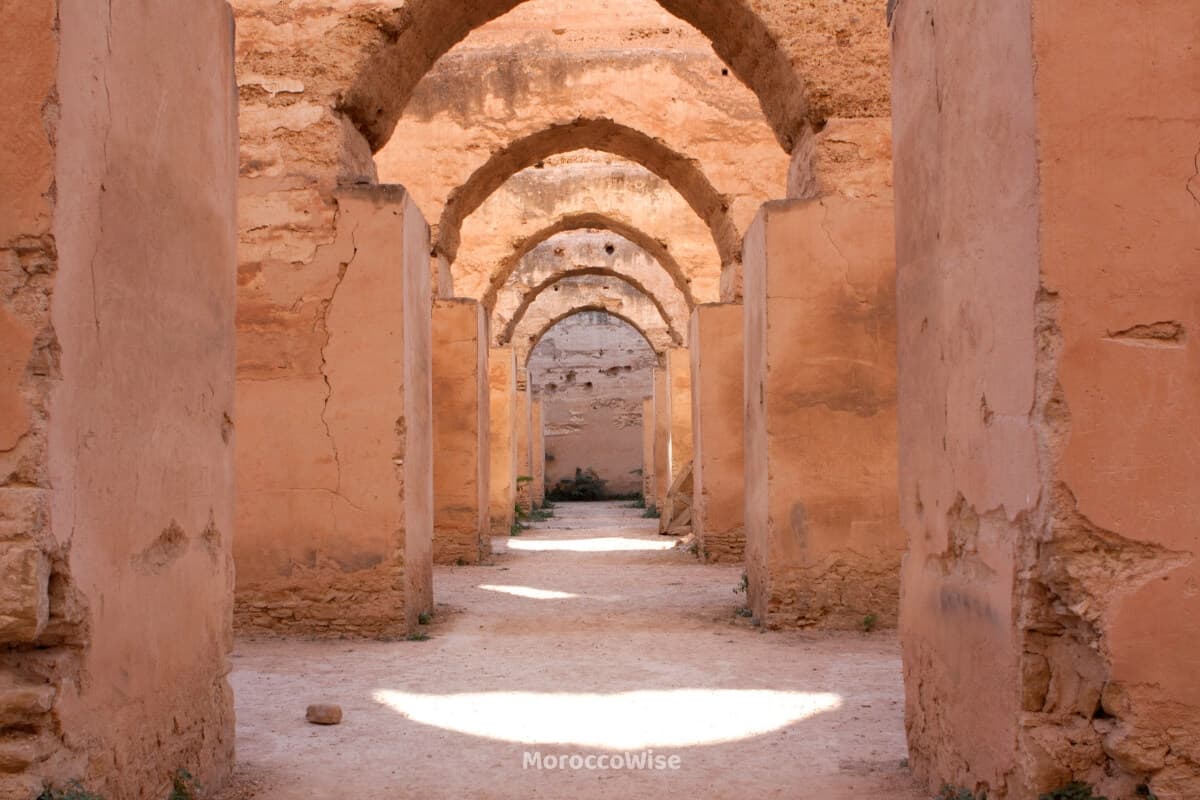
The most useful cultural advice I can offer for Morocco is also the simplest: notice the setting, greet people before asking for something, and let the person in front of you set the tone. Morocco is not culturally uniform. A café in central Casablanca, a family home in the countryside, a mountain village, and a beach in Agadir each have their own rhythms. Customs also differ between individuals and generations. You do not need to perform a perfect version of local etiquette; sincere attention, patience, and a willingness to adapt go a long way.
Dress with place, weather, and comfort in mind
There is no single dress code that applies to every visitor in every public space. In major tourist districts, resorts, and beach areas, clothing is often relaxed. In traditional medinas, smaller towns, rural communities, and religious settings, covering shoulders and knees is generally a considerate choice and useful protection from the sun. Loose linen shirts, breathable trousers, longer skirts, and dresses that allow you to walk comfortably work well across many situations. You can dress in your own style while choosing pieces that feel appropriate to the place you are visiting.
Outside the larger cities, communities may be more conservative and visitors more noticeable. A light scarf or overshirt is an easy extra layer, particularly when entering a village or visiting a family home. It is not generally necessary for a tourist to cover their hair in ordinary public spaces, but follow posted requirements at religious sites where access is permitted. At a beach or hotel pool, swimwear is normal in the designated area; when walking through town afterward, put on a cover-up. The point is not to judge anyone’s clothing, but to avoid making a host or neighbor feel that their setting is being ignored.
Greetings, the right hand, and the hand over heart
A greeting before a question is appreciated in many everyday exchanges. “Salam alaikum” is a common Arabic greeting, and “bonjour,” “hello,” and Amazigh greetings may also be heard depending on the region and person. A simple “salaam” and a smile are enough if you are unsure. Shopkeepers and hosts are people, not information desks; beginning with a greeting makes an interaction feel more natural even if you continue in English or French.
Handshakes are common in some interactions, but not everyone will want physical contact, especially across gender. Let the other person initiate or follow their cue; a nod and smile are perfectly polite. In some settings, a person may place their right hand over their heart after a greeting or instead of a handshake. It can express warmth or respect, but it is not a gesture you must insist on or imitate mechanically. If it feels natural, return the gesture; otherwise a friendly nod is fine.
The right hand is traditionally preferred for offering or receiving food, tea, money, or small objects. Use it when convenient, particularly when sharing a meal. If you are left-handed, do not panic over an accidental gesture; a brief, good-natured apology is enough if you think it is needed. At a shared table, follow your host’s lead, use the bread or serving utensils provided, and take a reasonable portion. Hospitality often means being offered more tea or food; accept if you would like some, and decline kindly if you are full.
Visiting mosques and religious places
Many mosques in Morocco are not open to non-Muslim visitors, with a small number of well-known exceptions that have specific visiting arrangements. Do not assume that modest clothing grants entry. Check current official visitor information before planning a visit, respect barriers and signs, and enjoy the architecture from public areas where permitted. Avoid photographing worshippers at prayer or looking through doors and windows into private devotional spaces.
Where a religious or historic site does welcome visitors, dress modestly, keep voices low, follow instructions about shoes or photography, and do not interrupt worship. During Ramadan, many Muslims fast from dawn until sunset. Visitors are welcome, but eating, drinking, and smoking discreetly in public during daylight is considerate, especially outside tourist venues. Businesses may have different opening hours, and evenings can become lively after the fast is broken. Check schedules rather than assuming the usual routine applies.
Photography, shopping, and hospitality
Always ask before photographing a person, particularly children, artisans, and people at work. A market is a workplace and a neighborhood, not a photo set. If someone declines, put the camera away without bargaining for permission. Ask before photographing a stall or craft, too. If a vendor invites you to look at a product, you are free to browse without buying; if you negotiate a price and it is accepted, honor the agreement. Confirm the amount and what is included before paying for a guide, henna service, or other activity.
If you are invited for mint tea, treat it as hospitality rather than a sales contract. A warm thank-you and a few minutes of conversation can be enough. In a home, ask before taking photos and follow the host’s lead about shoes, seating, and food. Do not assume that every family wants to be part of a visitor’s story. A respectful guest listens as much as they look.
Small gestures that make a visit feel easier
- Start with hello: Offer a greeting before asking directions, entering a small shop, or requesting service.
- Ask permission: For portraits, interior photographs, or close-ups of someone’s work, ask first and accept “no.”
- Be clear about prices: Confirm fees before rides, guiding, or services; keep bargaining friendly and purposeful.
- Give people space: Avoid blocking doorways, filming prayer, or treating homes and workshops as public attractions.
Regional identity is important in Morocco. Arabic and Amazigh languages, local food, music, and dress traditions vary across the country, from the Rif in the north to the Atlas and the Saharan regions. You may hear Darija, Amazigh languages, French, Spanish, or English, sometimes in the same conversation. A few words of thanks in the language someone chooses can open a door, but curiosity should not become a demand for a cultural lesson. Let the exchange be mutual.
Respectful travel is not a checklist of flawless gestures. It is the habit of noticing when your presence affects someone else and responding with grace. Wear what lets you move comfortably while respecting the setting, greet people warmly, ask before photographing, and be patient when everyday life does not follow a tourist timetable. Those small choices help make a visit more rewarding for you and more considerate for the people who call Morocco home.