At a glance
A coastal city made for taking your time
On Morocco’s Atlantic coast, Essaouira is known for its UNESCO-listed medina, working harbor, broad sandy beach, and reliable wind. It suits a long weekend, a slower week by the sea, or a thoughtful stop between Marrakech and the coast. Start early for the port, wander the old town on foot, and leave room in the day for the weather to decide what happens next.
01 / A sense of place
The soul of Mogador
History and architecture in a medina shaped by the sea.
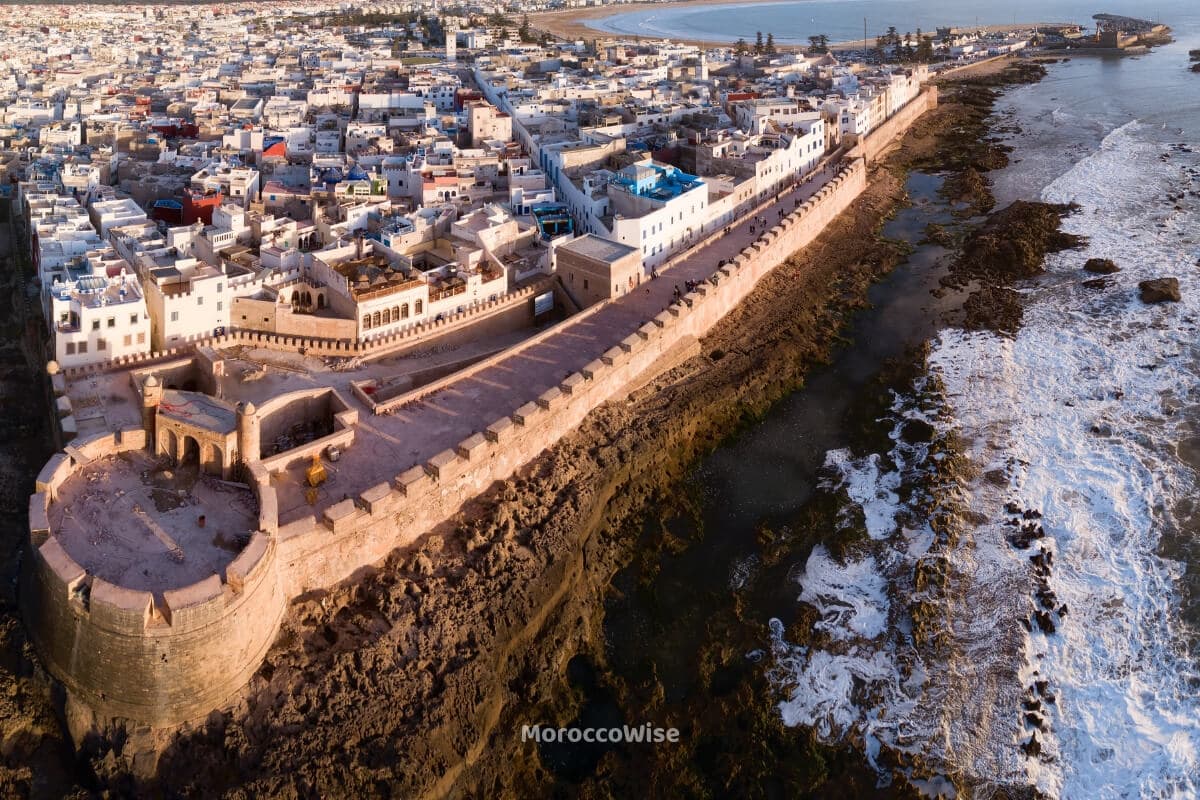
Essaouira’s old name, Mogador, evokes the long history of exchange along this Atlantic shore. Phoenician and other seafaring traders visited the wider region, while the modern port city took shape much later, in the eighteenth century. Sultan Sidi Mohammed ben Abdallah sought a purpose-built royal harbor that could strengthen trade and connect Morocco to the wider world. The result was a planned coastal city: outward-looking in its ambitions and distinctly Moroccan in its life.
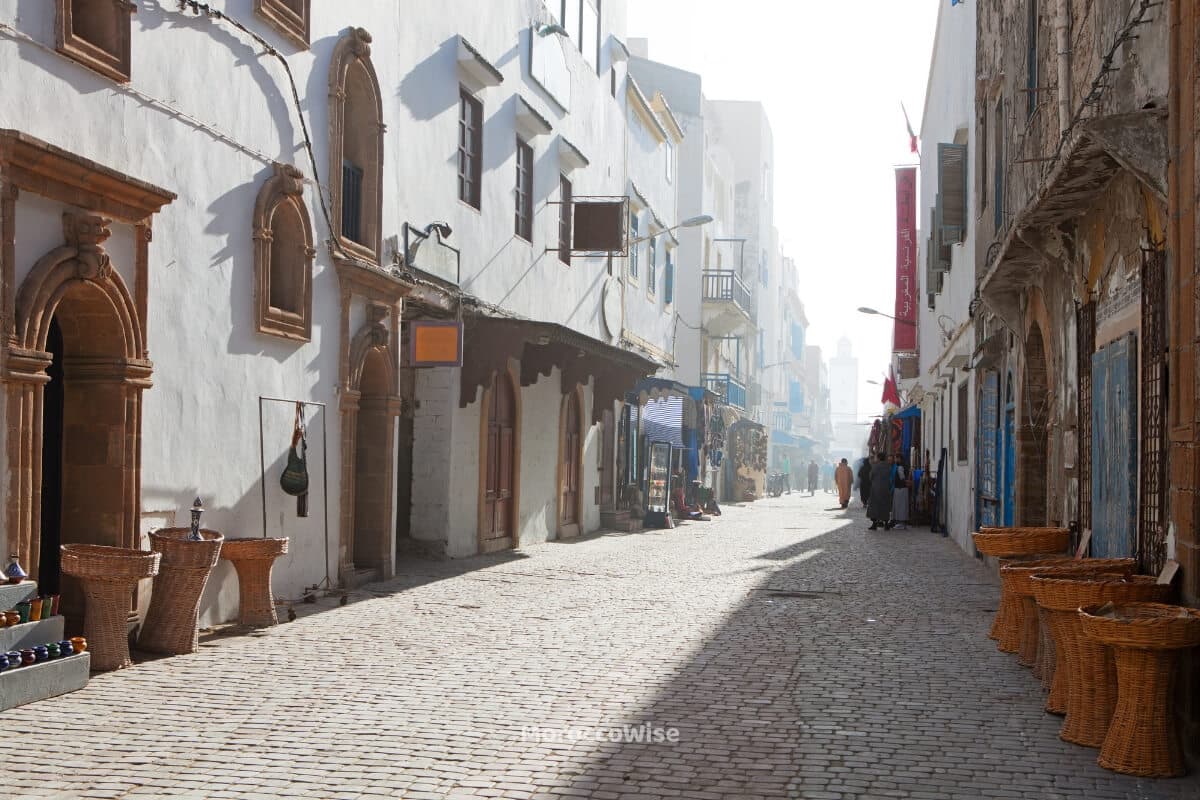
European expertise was part of that story. The French architect Théodore Cornut is associated with the city’s eighteenth-century plan, which drew on European military design while adapting to the location, climate, and existing Moroccan urban traditions. Essaouira’s broad, relatively regular streets contrast with the dense, winding fabric of many older medinas. The plan was not a rigid grid imposed on an empty space: it organized a living city around its port, markets, neighborhoods, and defenses.
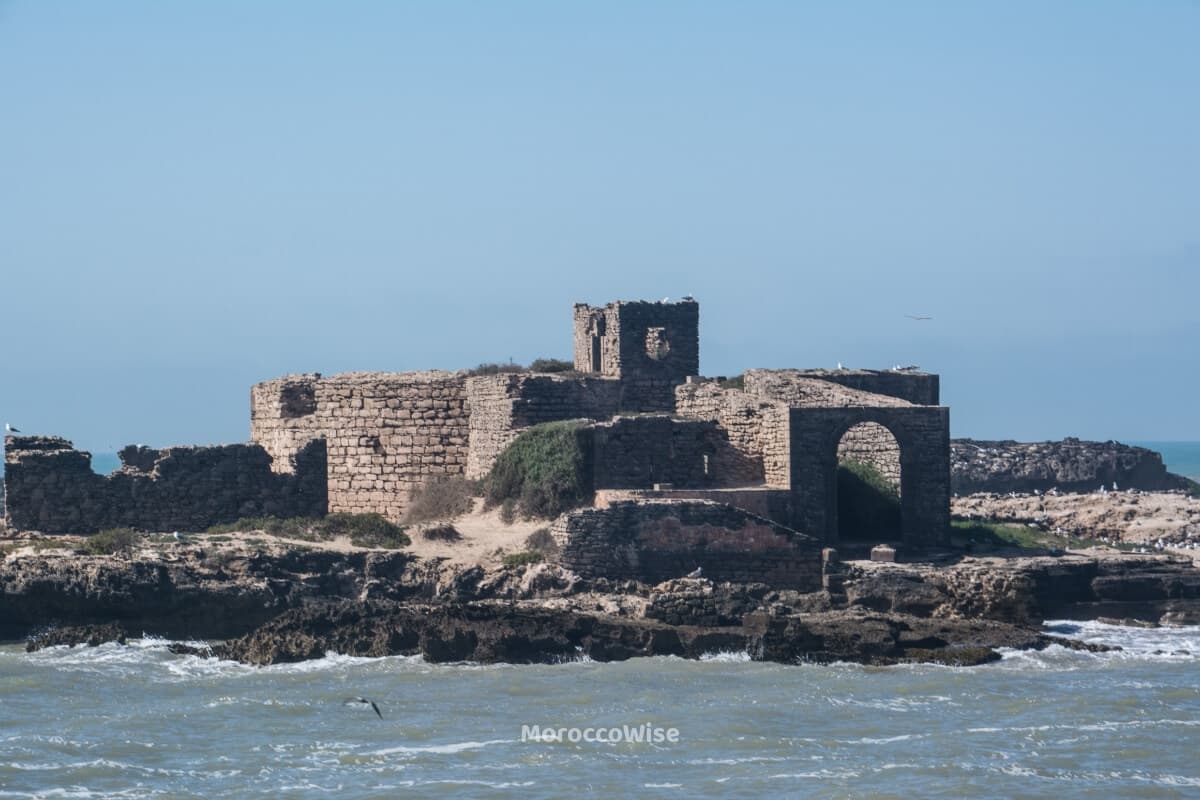
Portugal’s earlier presence on this stretch of coast is also visible in the region’s layered history. Portuguese forces occupied the island offshore, known today as Île de Mogador, for a period in the early sixteenth century. The fortified town that visitors explore now, however, largely reflects the later Moroccan foundation and its eighteenth-century ambitions. That distinction helps make sense of the architecture: European influence is present, but Essaouira is not simply a Portuguese or French town.
A UNESCO medina, still lived in
Essaouira’s medina was inscribed on the UNESCO World Heritage List in 2001 as an outstanding example of a late-eighteenth- century fortified port town. The designation recognizes the way its European-influenced military architecture and Moroccan urban traditions meet in a coherent coastal settlement. It is not a museum quarter: families live here, shopkeepers open their doors each day, and craftspeople continue work in courtyards and workshops just beyond the busiest lanes.
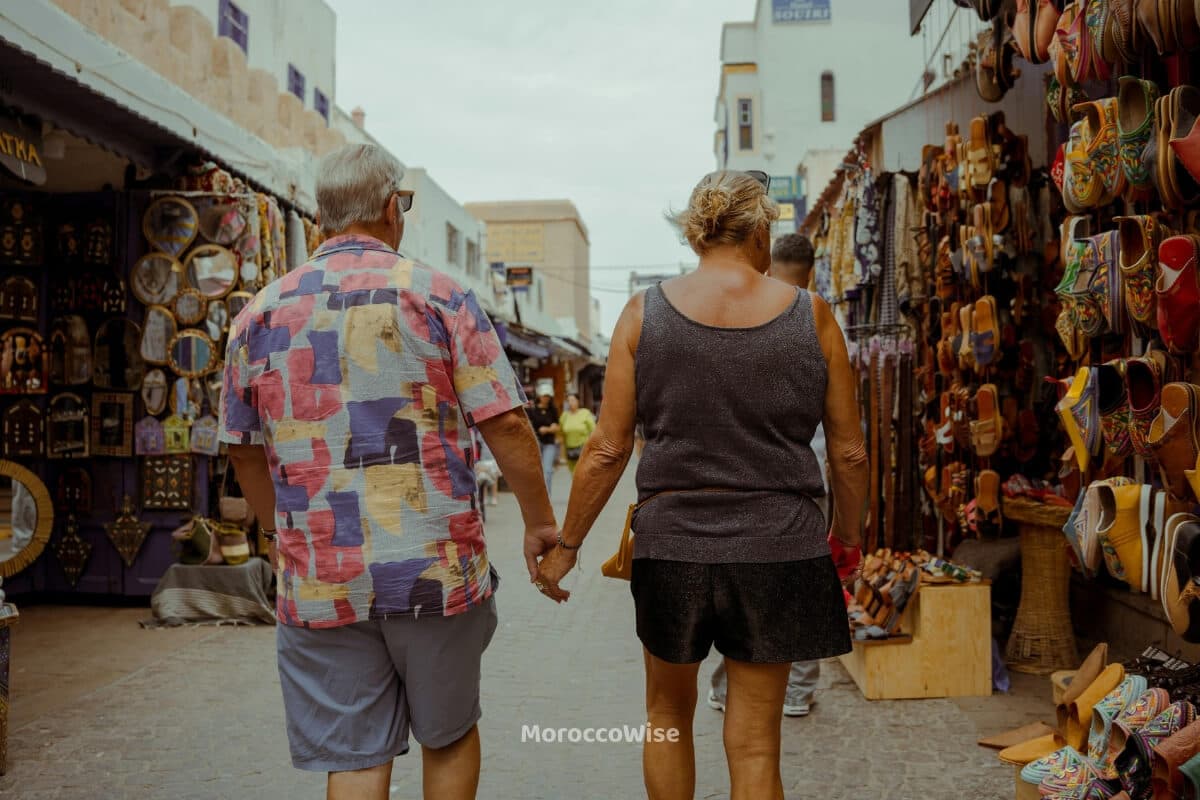
Walk the main avenues once to get your bearings, then let yourself take the smaller turns. The medina’s modest scale makes it easy to explore without a rigid itinerary. Look for carved doorways, painted shutters, tucked-away bakeries, and the changing patterns of light on white walls. The scent of fresh bread, cedar shavings, and the sea appears and disappears from one block to the next. Ask before photographing people or entering a working space; a greeting and a little patience make for a more generous encounter.
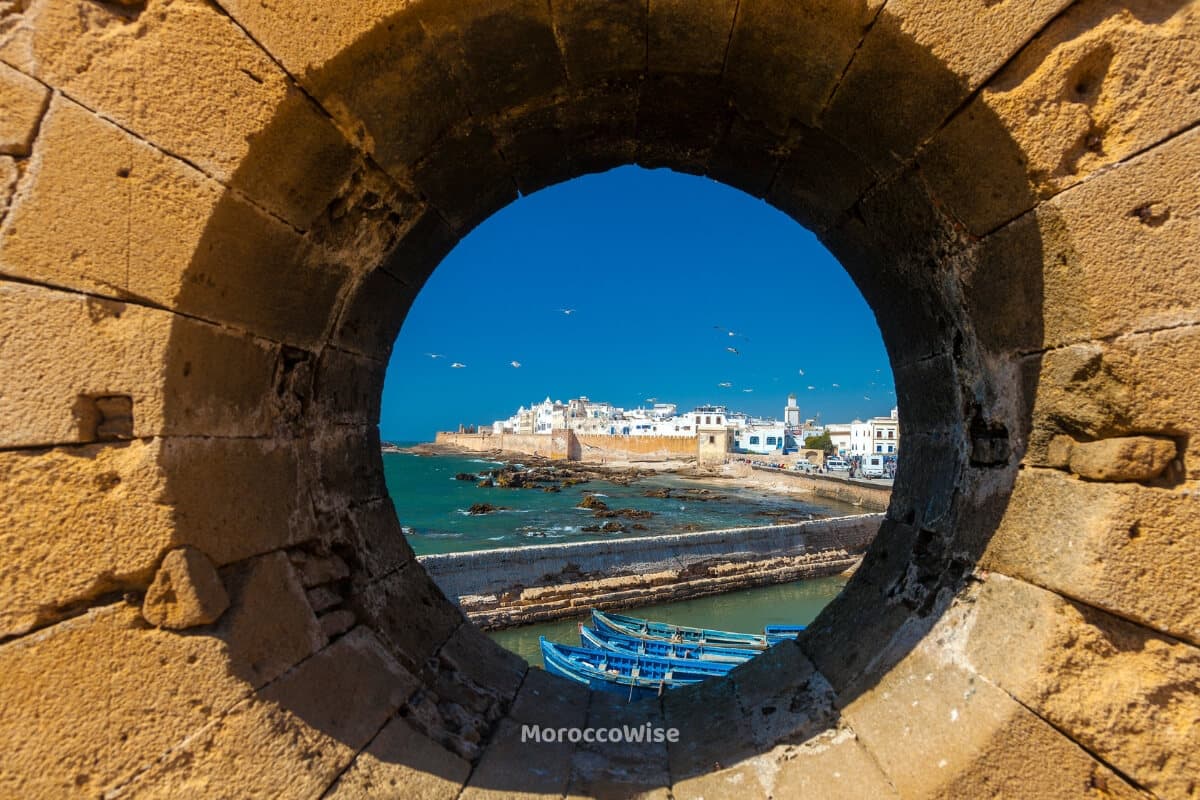
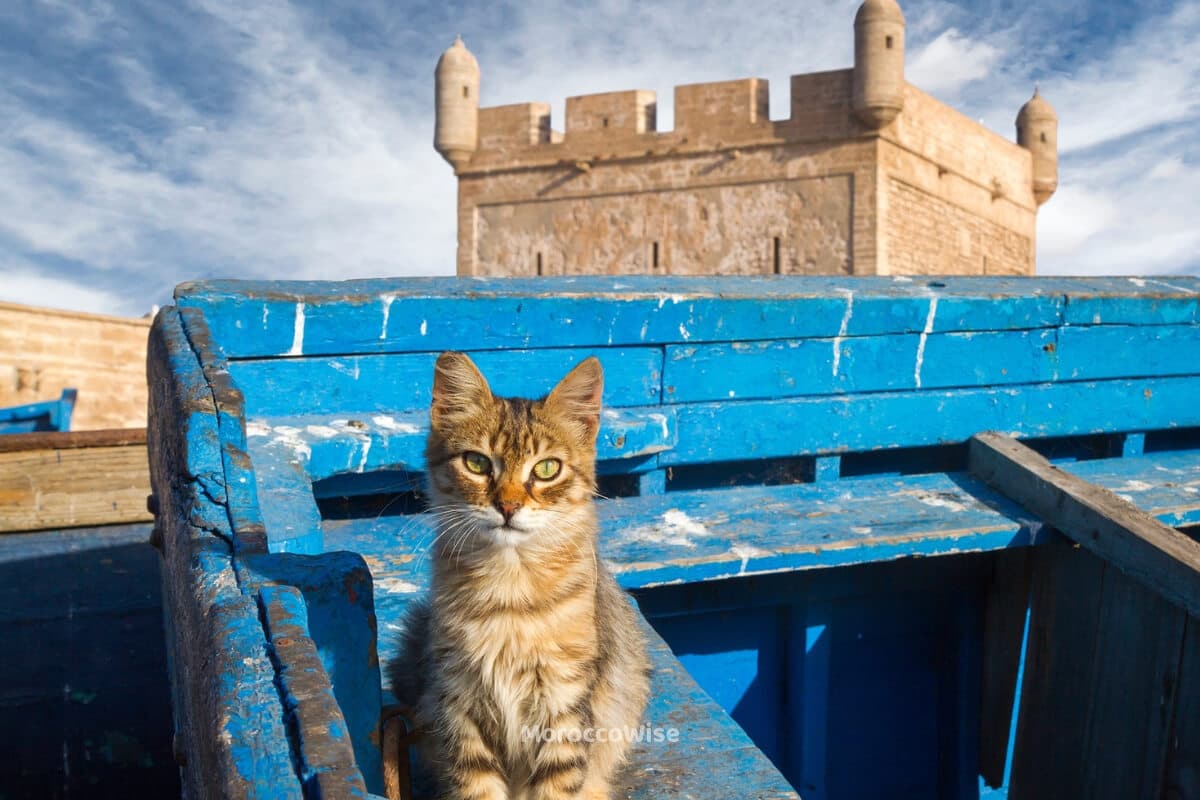
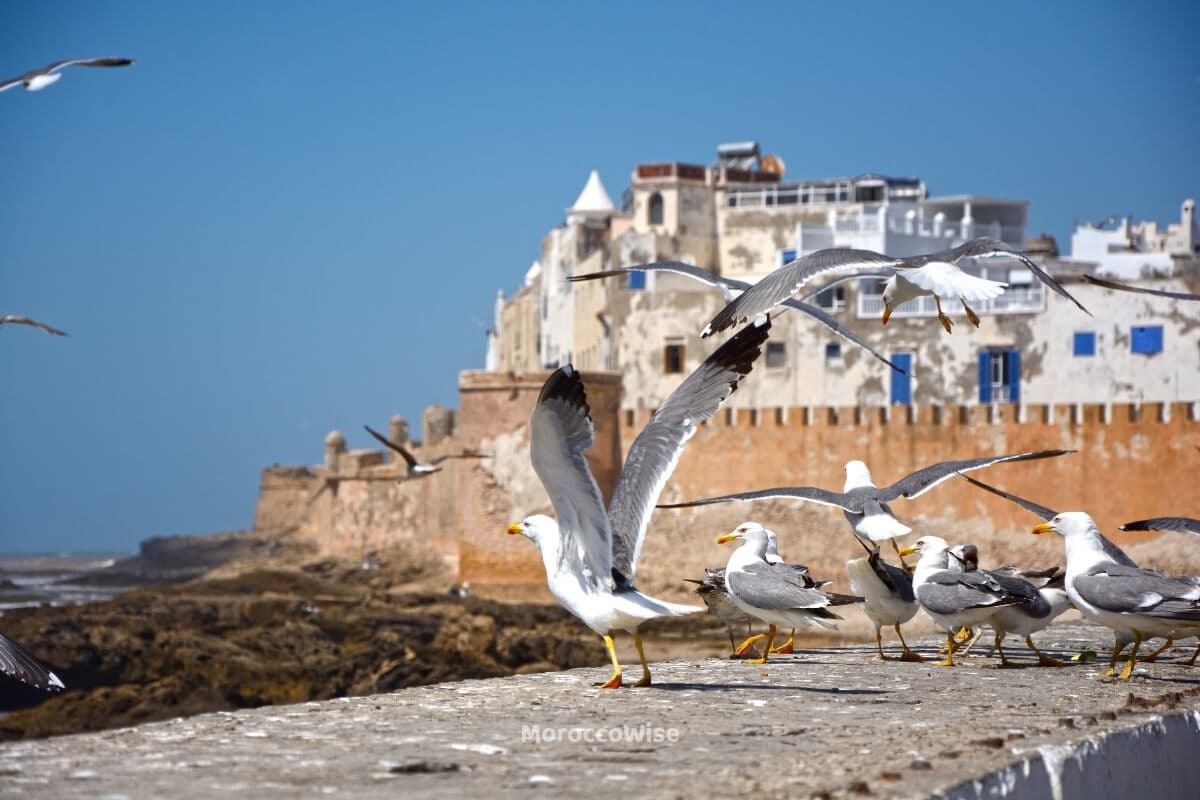
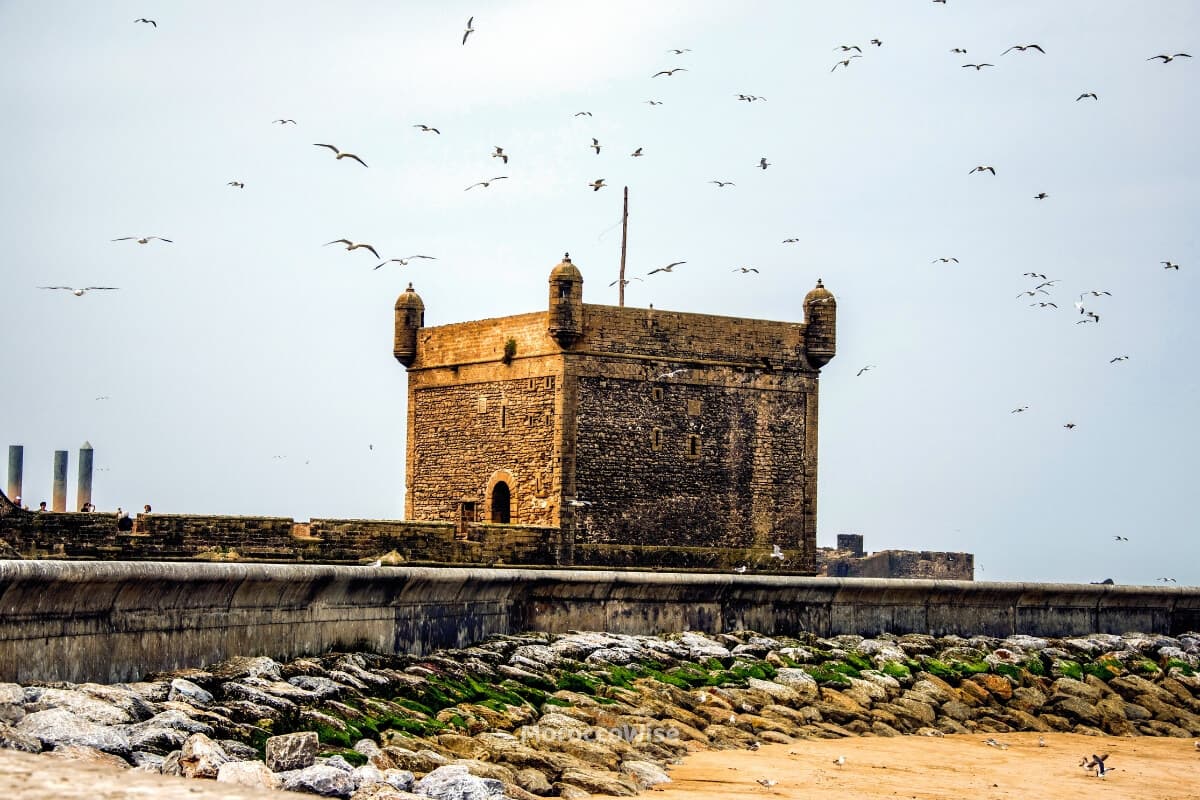
The Skala de la Ville, the seaward rampart, is one of the city’s defining walks. Its Portuguese-style cannons face the Atlantic, and waves break against the rocks below. From the battlements you can trace the arc of the coast, watch fishing boats crossing the harbor, and understand why defense and commerce were inseparable here. Near sunset the stone turns honey-colored, but the walkway is worth visiting at other times too, when the sea is rough and the salt air is sharp.
For orientation, connect the ramparts to the port, then follow the medina’s central streets toward its gates. The mellah, the historic Jewish quarter, adds another layer to Essaouira’s story of commerce and coexistence. Explore respectfully, remember that these are residential neighborhoods, and leave time to stop rather than treating the medina as a checklist of monuments.
02 / Salt air and sea work
The blue boats and the working port
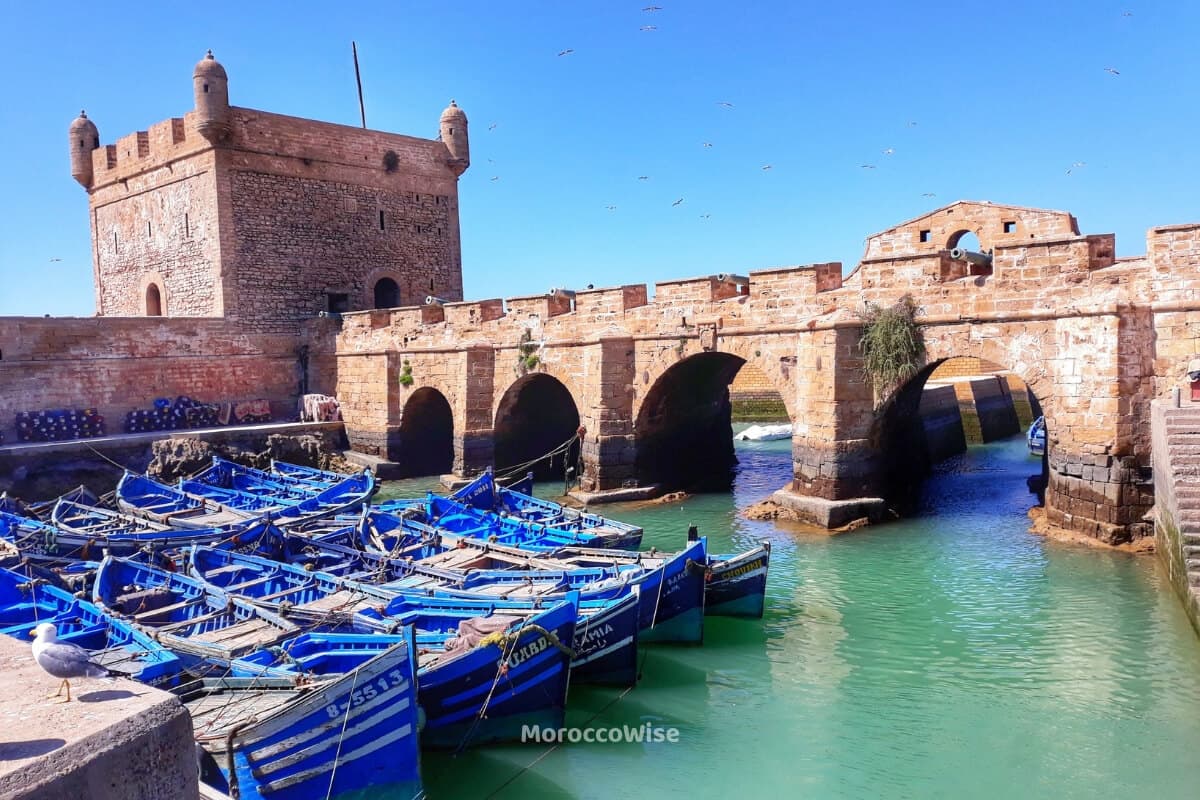
The harbor is not a scenic prop; it is one of Essaouira’s busiest and most vivid workplaces. Enter in the morning and the scene unfolds as a series of sounds and movements: ropes knocking against hulls, engines starting, gulls calling over the water, and fish being carried from a deck to a seller’s table. The blue wooden boats crowd the basin in close rows, their paint bright against the pale stone and Atlantic sky. Their color has become an emblem of the city, but each boat also represents the knowledge, labor, and upkeep of a working fishing community.
For the most animated atmosphere, arrive early, though the exact rhythm changes with weather, tides, and the day’s catch. Boats return with sardines, mackerel, sea bream, cephalopods, and other seasonal fish; not every species is available every day. Watch the unloading and the negotiation around the catch without getting in the way. The market is active and often wet underfoot, so closed shoes are more practical than sandals. Give workers room to move and ask before photographing a close-up of someone at work.
Auctions, gulls, and the art of boatbuilding
A fish auction is less a performance than a fast-moving livelihood. Buyers inspect the morning’s supply, sellers call out prices, and restaurant cooks make decisions based on what has actually arrived. If you are hoping to see an auction, go in the morning and be flexible rather than relying on a fixed showtime. The port follows the fishing day, not a visitor timetable. Take in the scale of the work and notice how quickly a catch moves from boat to market.
Essaouira’s boatyards preserve a practical craft tradition. Wooden fishing boats are built and repaired by hand, with skills passed between generations of carpenters and shipwrights. Their work involves shaping timber, fitting planks, sealing seams, and repairing the wear caused by salt water and repeated use. The yards can be busy and are not always open as visitor attractions; observe from public areas and follow local guidance. Seeing a hull in progress offers a useful counterpoint to the finished boats in the harbor: this is a place where maritime heritage is continually maintained, not merely remembered.
The gulls are part of the port’s soundtrack, wheeling above the basin and gathering wherever fish are handled. Keep food tucked away, take care around slick surfaces, and look outward to the ramparts when the harbor feels crowded. A short visit can be absorbing; a slower one reveals the port as a working neighborhood tied to the restaurants, markets, and daily life of the medina.
03 / The Atlantic in motion
The Windy City of Africa
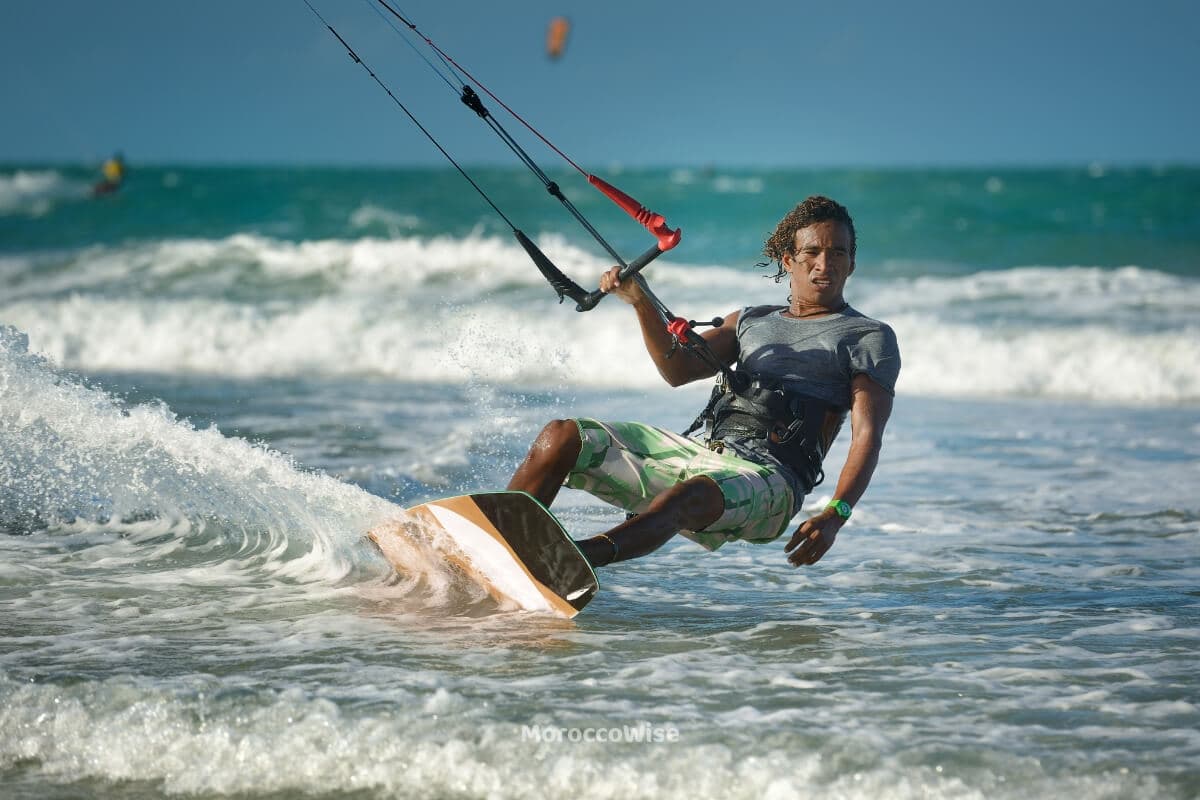
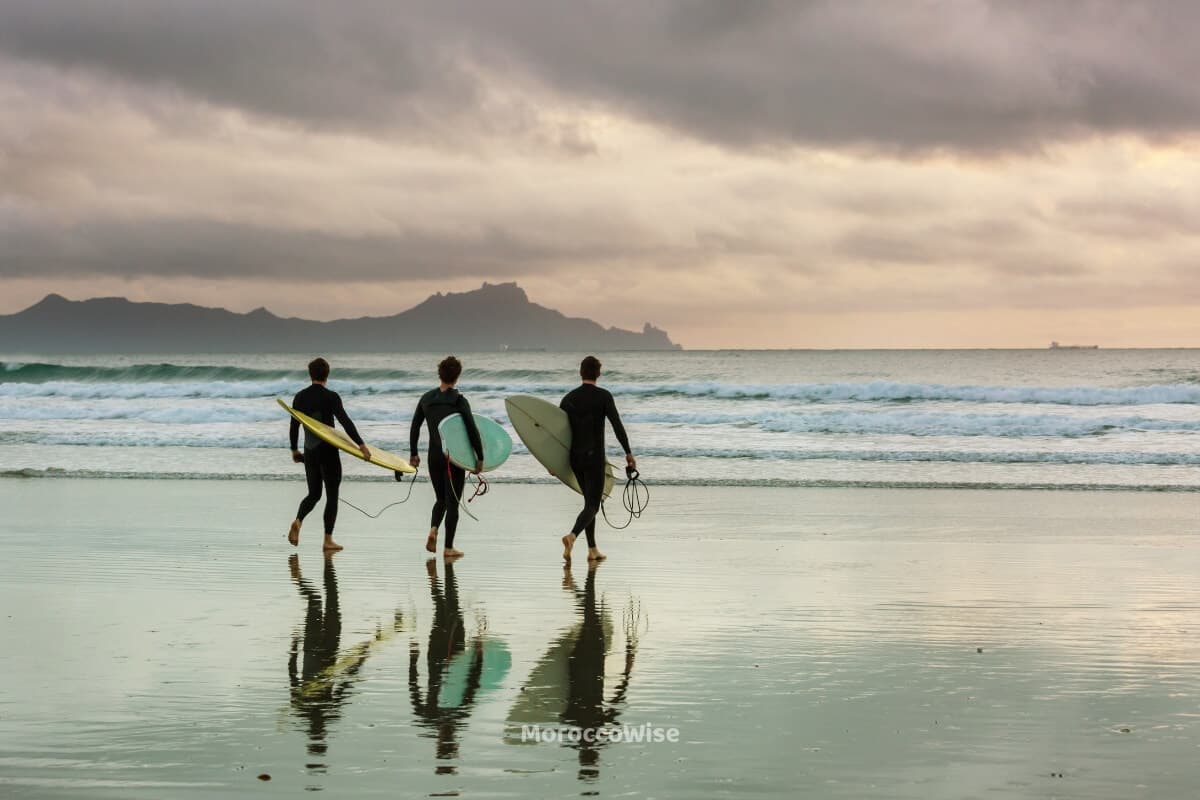
Essaouira’s nickname is earned. The Alizée, the northeasterly trade wind that strengthens along this coast, brings regular breezes that draw kitesurfers and windsurfers to the bay. Conditions are shaped by season, swell, tide, and the particular day, so a forecast is a guide rather than a guarantee. In spring and summer the wind is often more dependable, and it can build through the afternoon. Mornings may feel calmer, while a strong afternoon breeze can make even a sunny beach feel cool.
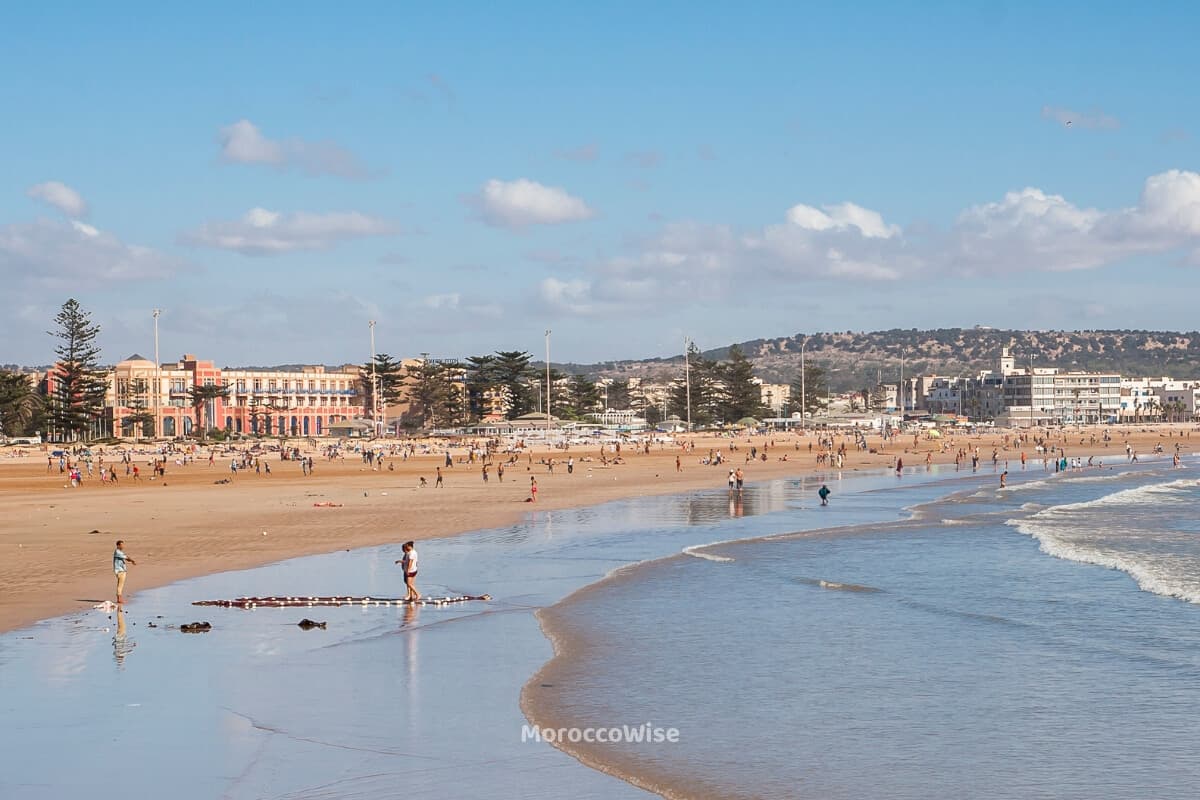
The broad city beach is the most accessible place to begin understanding the coast. It offers space, a long sandy shoreline, and easy access to equipment rental and instructors in town. It is not a sheltered swimming cove: wind, currents, waves, and water temperature all matter. Check local conditions before entering the sea, follow lifeguard and instructor advice, and keep well clear of swimmers when launching or landing a kite. If the wind is strong, simply walking the beach can be a better plan than trying to swim.
Choosing a spot: Essaouira Bay and Sidi Kaouki
Essaouira Bay is a practical base for lessons because it is close to the medina, accommodation, and established watersports operators. The bay is expansive, but the launch area and sea state still change; ask a local school to identify the appropriate zone on the day. Sidi Kaouki, south of the city, offers a wilder beach setting and is popular with surfers as well as wind-powered riders. It is a separate coastal outing rather than simply another block of town beach, so plan transport, food, and return timing. Do not assume that remote beaches have the same services, rescue coverage, or conditions as the city.
Beginners should book an instructor-led lesson with a reputable local school rather than learning from online videos or renting unfamiliar equipment. A first session should cover wind direction, launch and landing signals, safety systems, board control, and how to stay clear of other beach users. Ask what equipment is included, whether the instructor is certified, how group size is managed, and what happens if conditions are unsuitable. A responsible operator will postpone or adapt a lesson when wind or sea conditions are not appropriate.
Intermediate and advanced riders should check reliable forecasts, confirm the local launch rules, and assess the sea state before rigging. Strong wind can be physically demanding, and offshore or shifting conditions can turn a familiar session into a serious risk. Use appropriate protective equipment, ride with a buddy, and respect designated areas. For surfing, conditions depend more heavily on swell and sandbanks; ask local surf schools about the day’s break and your level. The wind that delights a kiteboarder may make a relaxed beach day feel brisk, so bring a wind layer even in warm months.
04 / Living traditions
The rhythm of Gnaoua and artisan culture
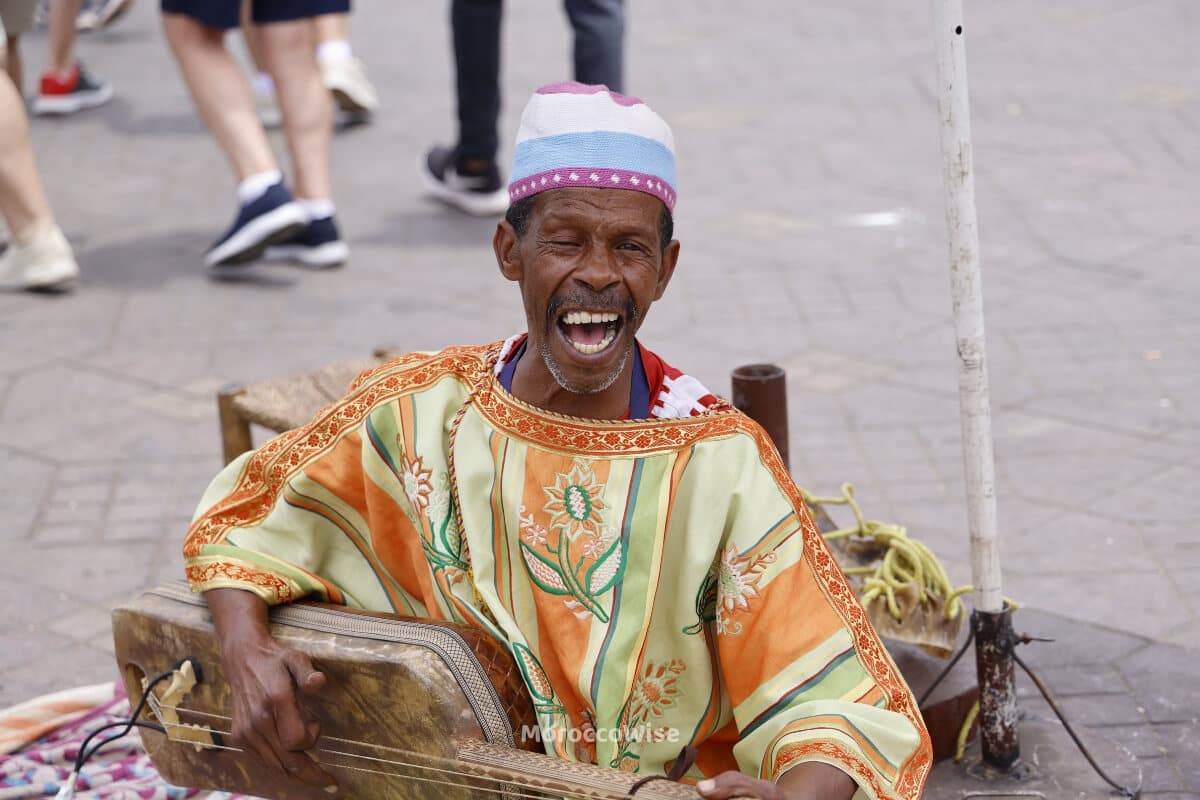
Gnaoua music is one of Morocco’s most distinctive spiritual and musical traditions, with roots shaped by the histories of sub-Saharan African communities and the wider interconnected cultures of Morocco. Its sound is instantly recognizable: the low, resonant strings of the sintir, the crisp metallic pulse of qraqeb, and a vocal line that can move between invocation, storytelling, and ecstatic repetition. In Gnaoua practice, music is not only entertainment. It can be part of ceremonies and healing traditions, where rhythm, community, and spiritual meaning are closely linked.
The annual Gnaoua and World Music Festival brings that tradition to a much larger stage. It pairs master Gnaoua musicians with artists from other musical worlds, filling squares and public spaces with concerts and late-night performances. The festival typically takes place in the warmer season, but dates, programming, access, and crowd arrangements vary from year to year. Check current announcements before planning travel around it, and book accommodation early if your dates overlap. Outside festival time, look for smaller performances and cultural venues, while remembering that a spiritual ceremony is not a tourist spectacle and should be approached with respect.
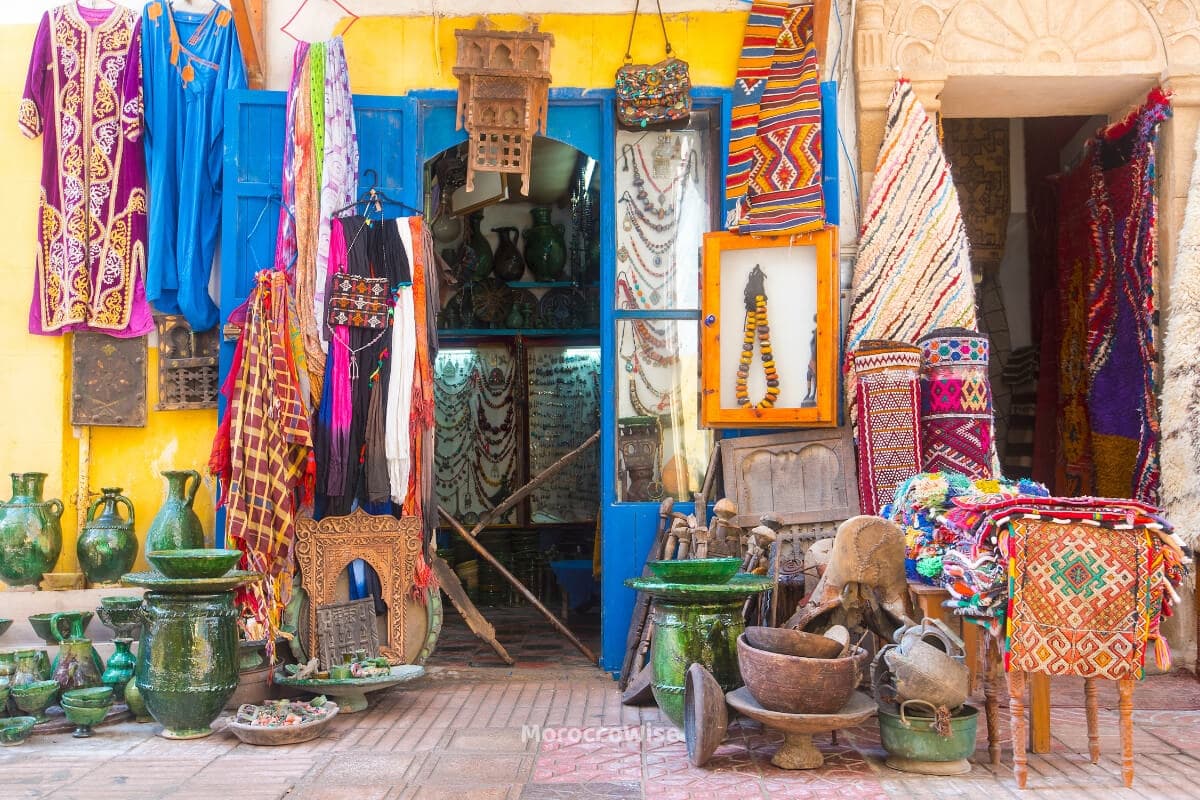
The city’s craft traditions are just as tangible. Thuya, a fragrant wood native to the region, is worked into boxes, tables, inlaid objects, and keepsakes. In a workshop you may see artisans select figured grain, cut and turn small components, fit contrasting materials, and sand a surface until the natural patterns emerge. The work requires care and time; a finished piece carries the marks of skilled hands rather than factory uniformity. Cooperatives and workshops can be good places to learn about the process and buy directly, but ask permission before taking photographs and be open to hearing how an object was made.
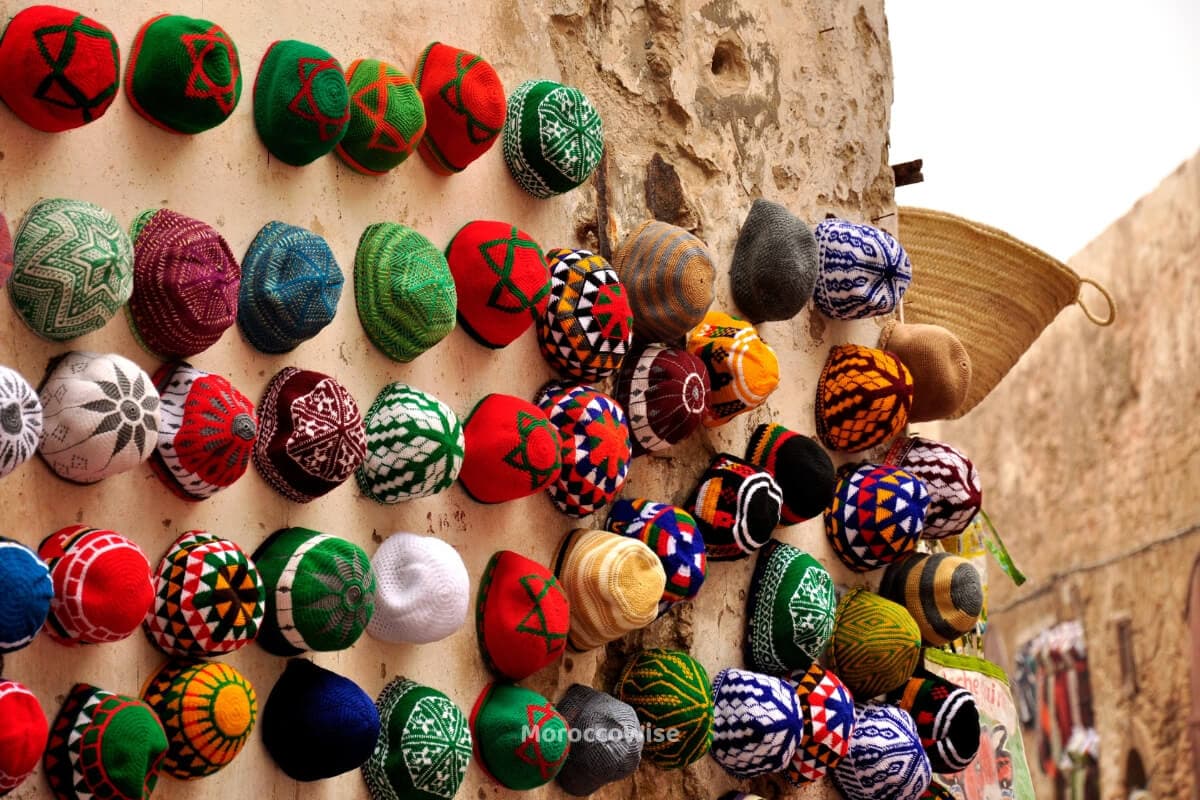
Essaouira is also known for silver jewelry, from bold Amazigh-inspired designs to finer contemporary work. Browse slowly, compare craftsmanship, and ask about materials and provenance. If you are buying a larger piece, clarify the metal, price, and any stone details before paying. Shopping is most rewarding when treated as an exchange rather than a race to bargain down every price. Look beyond the busiest thoroughfares: smaller studios often make room for a conversation about technique, inspiration, and the different craft communities that have shaped the city.
05 / From the Atlantic to the table
Culinary delights and the fresh catch
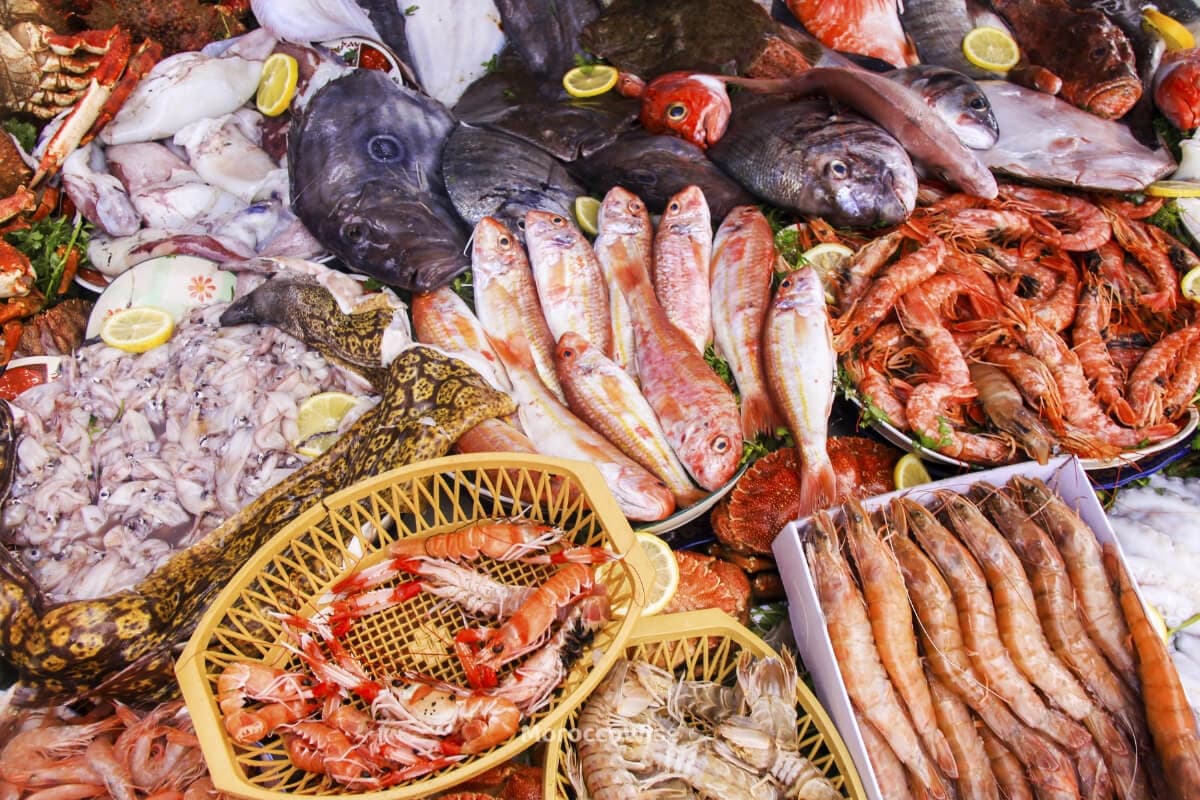
Seafood is the natural headline in Essaouira, but the best meal is rarely about choosing the most elaborate dish. Start with what is fresh. Sardines, grilled over charcoal, are a local staple; depending on the day, the board may also offer sea bream, sole, shrimp, squid, or other Atlantic catches. Preparation is often direct—fish, heat, seasoning, and a squeeze of lemon—so quality and freshness do most of the work. Ask what came in that morning and what the portion costs before ordering, especially when prices are set by weight.
How to order fish at the port
At the port stalls, visitors can select seafood to be grilled nearby. Take a moment to compare the options, ask the price per item or weight, and make sure you understand the total before the fish goes on the grill. Confirm whether bread, salad, sauces, and drinks are included or charged separately. If you are unfamiliar with a fish, ask the seller to identify it and recommend a suitable portion. Prices and availability change with the catch, so there is no single menu or fixed “market price” to rely on.
Choose a stall where the seafood looks properly chilled or freshly handled and where turnover is steady. The port can be busy, and food service is informal; clear communication helps avoid surprises. If you have an allergy, explain it before ordering and ask about shared grills and utensils. Visitors who prefer a quieter, seated meal can find restaurants in and around the medina, ranging from simple fish grills to places serving carefully composed seafood dishes. For a popular spot at dinner, arrive early or check whether reservations are accepted.
Seafood tagines offer another way to taste the coast. Depending on the cook, fish or shellfish may be slowly simmered with tomato, herbs, preserved lemon, olives, or seasonal vegetables. Recipes vary between kitchens, so ask what is in the pot and how long it takes to prepare. A tagine is a relaxed meal rather than fast food; share one with bread and make time to enjoy it. If you are vegetarian, look for vegetable tagines, lentils, salads, and other Moroccan staples, and be specific about whether fish stock or meat is acceptable to you.
Argan oil is another taste of the region. Culinary argan oil is made from roasted kernels and has a deeper, toasted flavor than the cosmetic oil sold for skin and hair. It is used sparingly in dressings, amlou—a spread traditionally made with almonds, honey, and argan oil—and other dishes. The argan tree grows in southwestern Morocco, and local cooperatives help produce and sell the oil. If you bring a bottle home, buy clearly labeled food-grade oil from a reputable seller, check the seal and date, and pack it to prevent leaks.
Beyond seafood, Essaouira’s daily food life includes mint tea, warm bread, olives, market produce, and sweets found in neighborhood bakeries. Try a leisurely breakfast before the medina gets busy, stop for tea after the port, and let the day’s market ingredients guide lunch. The simplest meals often make the strongest memories: fish grilled while you wait, bread shared at the table, and the Atlantic still audible somewhere beyond the walls.
06 / Make the journey yours
Practical Essaouira travel information
A little planning goes a long way on Morocco’s Atlantic coast. Use these travel basics to choose your route, pack for the wind, and find a stay that suits the way you want to explore.
Getting to Essaouira from Marrakech
The road journey from Marrakech is the most common way to reach Essaouira. Intercity coaches, including services operated by established Moroccan bus companies, are generally the straightforward choice: they are more predictable than negotiating a long-distance taxi and typically arrive at the town’s bus station outside the medina. Journey times vary with operator, stops, traffic, and road conditions; allow several hours and check current departure times and luggage policies before travel. Booking ahead is sensible on weekends, holidays, and festival dates.
A private transfer offers door-to-door convenience and flexibility for families, groups, or travelers making stops along the way. Agree the price, pickup point, luggage arrangements, and whether the driver will wait before setting off. Shared grand taxis are not always a simple or fixed-schedule substitute for a coach on this route; confirm that a service actually runs, where it departs, how it is licensed, and how seats are allocated. Avoid getting into an unmarked car based on an unsolicited offer.
Coming from Casablanca and beyond
From Casablanca, travelers can connect by intercity coach or train-and-coach combinations, depending on the schedule and preferred departure. There is no need to assume a direct train to Essaouira: check the current rail network, then compare a coach for the full journey with a rail segment followed by onward road transport. Flight options and routes change seasonally, so verify airport service and transfer availability for your dates instead of building plans around a route that may not operate.
If arriving by bus, a short taxi ride or walk may connect the station with your accommodation, depending on its location and your luggage. The medina itself is easiest to explore on foot and many lanes are not accessible to cars. Ask your riad for the nearest vehicle drop-off point and directions from there. Keep your arrival details handy, especially if you are reaching town after dark, and agree taxi fares or meter use before the ride.
Weather by season and month
Essaouira has a mild Atlantic climate, but “mild” does not mean wind-free or reliably hot. January and February are among the coolest months, with crisp evenings and a chance of rain. March and April bring longer, brighter days, though the breeze can still feel cool. May and June are often pleasant for walking, and the wind generally becomes a more noticeable feature of beach life as the warmer season develops.
July and August tend to be the warmest and most popular months, yet coastal wind can keep daytime temperatures comfortable and evenings surprisingly fresh. September and October often offer a gentler shoulder season, with comfortable sightseeing weather and fewer peak-summer crowds. November and December bring cooler days, longer sleeves, and a greater chance of rain. These are broad seasonal patterns, not a forecast: check a reliable weather and wind report shortly before your trip, especially if you plan watersports.
What to pack for the coast
Pack in layers. A light windproof jacket or overshirt is useful throughout the year, and a warmer layer makes evenings more comfortable even after a sunny afternoon. Bring comfortable closed shoes for the port and cobblestones, plus sandals for the beach. Sunglasses and sunscreen matter on bright, breezy days when the cool air can disguise the strength of the sun. A scarf can help with wind and dust, while a compact rain layer is useful in the cooler, wetter months.
For kitesurfing, windsurfing, or surfing, ask your school what it supplies before packing specialist equipment. Water temperature and personal comfort vary; many riders prefer a wetsuit, and the right thickness depends on the season and session length. Bring any personal safety gear you rely on, but do not substitute your own assumptions for an instructor’s assessment of the local conditions.
Where to stay: medina or beach?
A riad in the medina is an atmospheric base for first-time visitors. You can walk to the ramparts, souks, cafés, and port, then retreat to an interior courtyard when the lanes grow lively. Historic buildings often have stairs, compact rooms, and limited vehicle access, so ask about step-free access, porter help, heating, and the nearest drop-off point before booking. A riad is a good choice when you want the city itself to be part of your stay.
Beachfront hotels and guesthouses suit travelers who prioritize sea views, open space, or quick access to watersports. They may sit farther from the medina, so consider how often you want to walk, take a taxi, or arrange a transfer. Families and longer-stay visitors might value extra space and practical amenities over a historic address. Wherever you stay, read recent reviews, verify the exact location, and check whether breakfast, heating, and cancellation terms match your needs.
How long to stay and how to get around
Two full days give you time to see the medina, ramparts, and harbor without rushing. Add a third day for a beach session, a slower food itinerary, or a trip to Sidi Kaouki. A longer stay suits anyone learning a watersport, working remotely, or simply looking for a calmer pace after Marrakech. Within the center, walking is usually the easiest way to get around. Wear shoes with grip on uneven or wet surfaces and keep an offline map available in the narrow lanes.
For a day trip or a ride beyond the medina, confirm the return arrangement before leaving, particularly outside the busy center. Keep valuables secure in crowded areas, use established transport, and ask your accommodation about current local advice. Most of all, leave a little unscheduled time: Essaouira’s appeal is as much in a lingering tea, a conversation with an artisan, or an unexpected change in the light as it is in the landmarks you came to see.
Travel details, transport schedules, sea conditions, and festival dates can change. Confirm current information with transport operators, accommodation providers, and local instructors before departure.
Essaouira in frames
A city shaped by sea and sky
Scroll or swipe through the ramparts, harbor, and coast. Each frame settles into the center as you move.
10 photographs · swipe to explore