
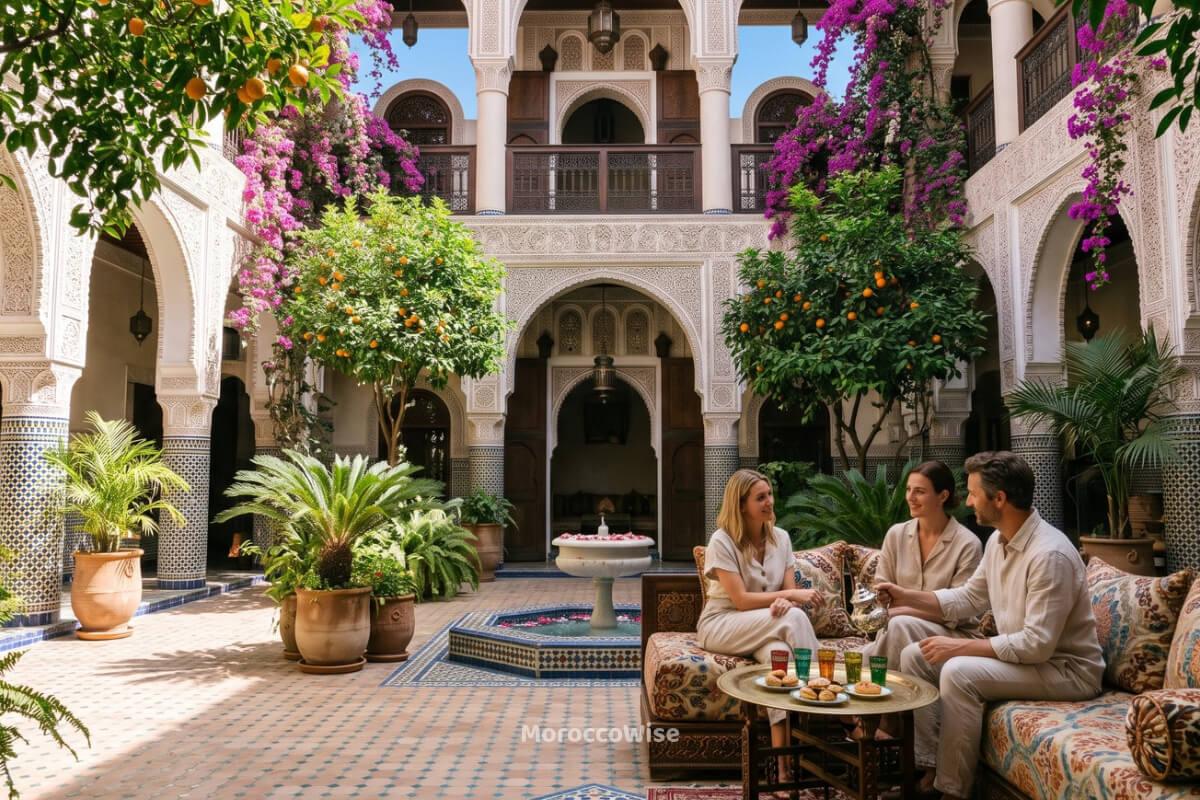
The best time of year to visit Morocco is during spring (March to May) and autumn (September to November), when temperatures generally stay between 20°C and 30°C by day. The Atlas mountain roads are open, exploring the cities is comfortable, and the Sahara is warm without being punishing.
However, Morocco has several different climate zones, so the ideal travel dates depend entirely on your itinerary. Spring is excellent for Marrakech, autumn offers some of the best Sahara Desert conditions, and winter brings powerful Atlantic surf to Taghazout. If you choose the right season for each destination, Morocco can be an incredible year-round destination.
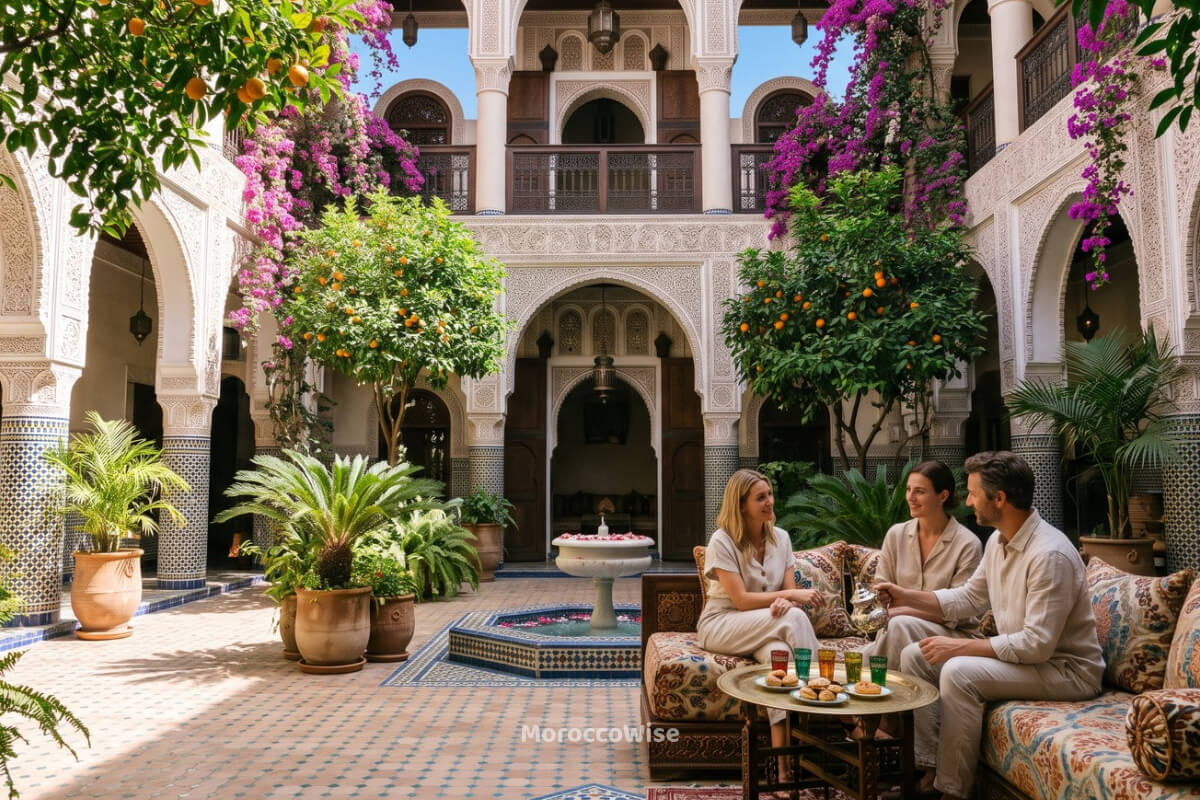
The Quick Answer: When to Go by Region & Activity
There is no single perfect month for every corner of Morocco. A comfortable week exploring Marrakech can become an exhausting experience in the Sahara during July.
Use this table to choose the right season for your trip:
| Region / Activity | Best Months | Why? |
|---|---|---|
| Marrakech & Imperial Cities | Mar–May, Sept–Nov | Highs of 23°C to 30°C in spring and autumn. Summer regularly passes 40°C. |
| Sahara Desert | Oct, Nov, Mar, Apr | Warm days and nights that stay above freezing. Skip Dec/Jan (freezing nights) and Jul/Aug (40°C+). |
| Surfing (Taghazout) | Nov–Mar | Consistent Atlantic swells and water around 16°C to 18°C. |
| Mediterranean Beaches | Jun–Aug | Sea temperatures of roughly 22°C to 24°C and the most settled weather on the northern coast. |
| Atlas Mountains Hiking | May–Jun, Sept–Oct | Trails are mostly snow-free and the weather is stable. |
| Winter Sun (Agadir/Marrakech) | February | Days around 20°C under clear skies, though nights remain cold. |
Best Time to Visit Morocco: Marrakech and the Imperial Cities
If your priority is exploring historic cities, the best time to visit Morocco Marrakech is generally between March and May or September and November.
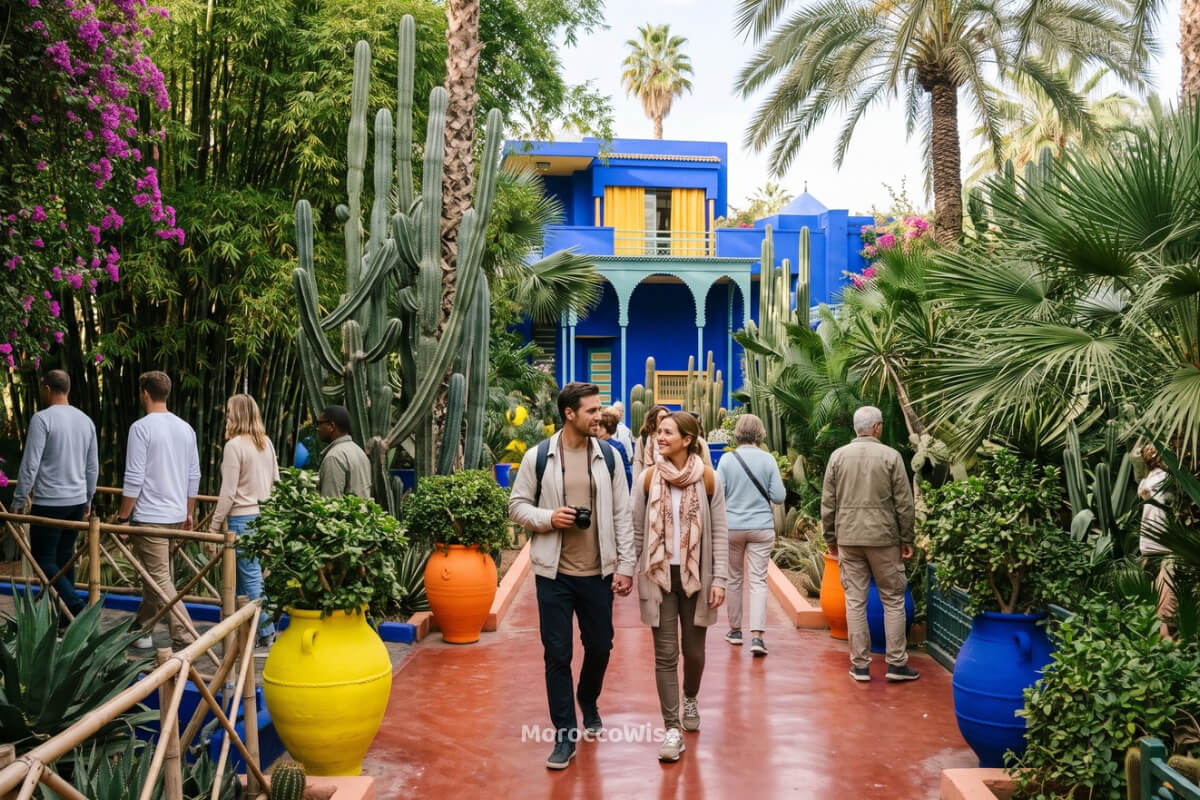
Temperature matters more here than in most cities because the medina is a walking destination. At 40°C in July, you will be tired by late morning and hiding in a riad courtyard by early afternoon. At 25°C in April or October, you can comfortably walk the Jemaa el-Fnaa, the Saadian Tombs, and the Majorelle Garden in a single day.
(Read our full Marrakech Travel Guide to plan your city itinerary).
Best Time to Visit Morocco Desert: The Sahara
The best time to visit Morocco desert destinations (like Merzouga and Erg Chebbi) is during October, November, March, and April. During these months, daytime highs run from roughly 24°C to 30°C and nights stay mild enough for an overnight desert camp.
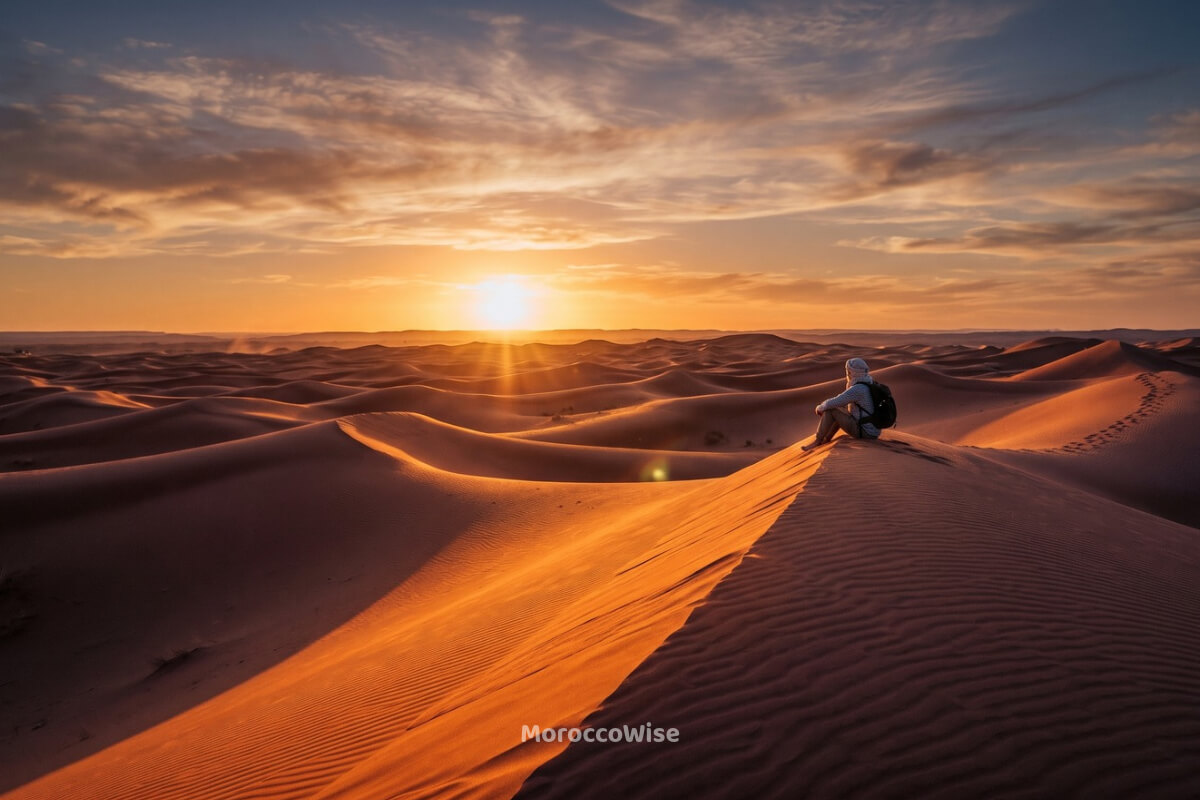
When should you avoid the Sahara?
- December and January: Desert days are pleasant (18°C), but nighttime temperatures can drop close to freezing (0°C to 3°C). Desert camps are often lightly heated at best.
- July and August: Daytime highs reach 40°C to 45°C. The sand is too hot to walk on at midday, and most guides run sunrise and late evening trips only.
(Planning an overnight excursion? Explore our Sahara Desert Travel Guide).
Morocco Weather: October and November
If there is one period that deserves special attention, it is autumn. The Morocco weather October November combination is arguably the best of the year for general travel.
The intense summer heat breaks in early October, and by November the afternoons in most of the country are highly comfortable (around 23°C in Marrakech). Crowds thin out after the late October school holidays and stay light until the Christmas rush.
Best Time to Visit Morocco February (Winter Sun)
Many European visitors want to know the best time to visit Morocco February because it is one of the few places within a short flight that offers warmth in mid-winter. Marrakech averages about 20°C by day in February, and Agadir about 21°C, with plenty of sunshine.
The catch is the evenings. Marrakech drops to around 7°C after dark, and the Atlantic water is only 16°C. You will absolutely need a warm jacket for the evenings.
Best Time to Visit Morocco for Surfing & Beaches
Morocco has two major coastlines, and their seasons are entirely different.
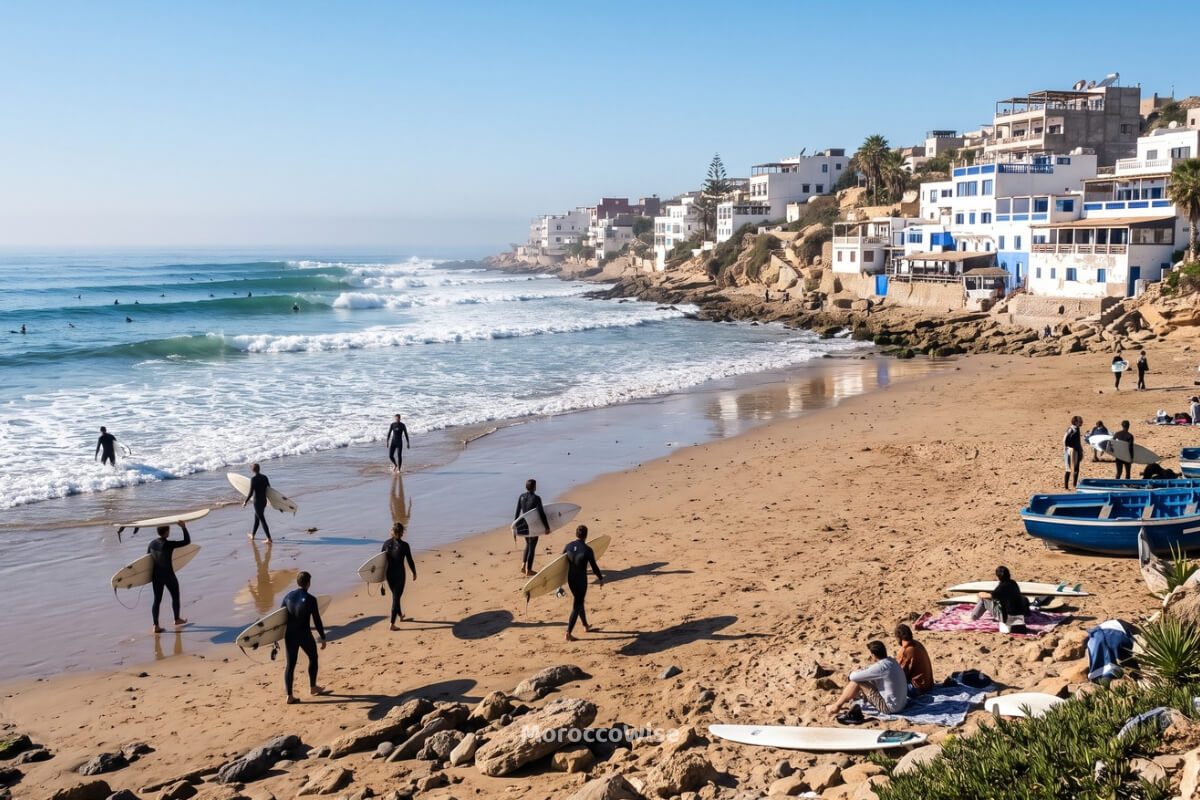
Surfing on the Atlantic
The best time to visit Morocco for surfing is November to March, when North Atlantic swells reach the coast. Taghazout and Imsouane are the main bases. Winter water is around 16°C to 18°C, so most surfers wear a 4/3mm wetsuit. Beginners often do better in autumn and late spring when waves are smaller.
Relaxing on the Mediterranean
The best time to visit Morocco for beaches is June to August. Mediterranean towns (like M'diq, Saidia, and Al Hoceima) offer sea temperatures of 22°C to 24°C and the calmest water in the country.
What Is the Worst Time to Visit Morocco?
The worst time to visit Morocco is July and August if your plans include Marrakech, Fes, or the Sahara. Inland highs often exceed 40°C (104°F). Sightseeing under that sun is hard work, and many visitors are forced to cut their days short.
If you can only travel in summer, head to the coast (Essaouira, Tangier, Agadir) or to a High Atlas village, where the altitude keeps the days cooler.
Traveling to Morocco in 2027: The Ramadan Factor
Ramadan follows the Islamic lunar calendar, so it moves about 11 days earlier each year. In 2027, Ramadan is expected to begin around 8 February and end around 9 March (exact dates depend on the moon sighting).
Visiting during Ramadan is a different experience. The days are quiet. In smaller towns, many local cafés and restaurants close until sunset. In tourist centers like Marrakech, plenty of places still serve lunch, though you may find fewer options. At sunset, families break the fast, and the streets fill up and stay busy late into the night.
Practical Tip: Morocco moves its clocks back one hour during Ramadan, so double-check train and flight times!
Frequently Asked Questions (FAQ)
Is it a good idea to visit Morocco in August? It depends on where you go. August is a poor choice for Marrakech, Fes, and the Sahara because of extreme heat. It works well on the coast (Essaouira, Tangier) where temperatures sit comfortably in the mid-twenties.
Does it rain a lot in Morocco? Not in most of the country. Marrakech gets very little rain. Most rain falls from November to March, and the northern cities (Tangier, Chefchaouen) get the most of it.
When is the cheapest time to visit Morocco? Prices usually fall in January and February (outside of New Year's week) and in July and August in the inland cities, where fewer people travel in the heat.
Official and Practical Reference Links
Weather conditions can vary significantly. Check updated forecasts before finalizing your itinerary: