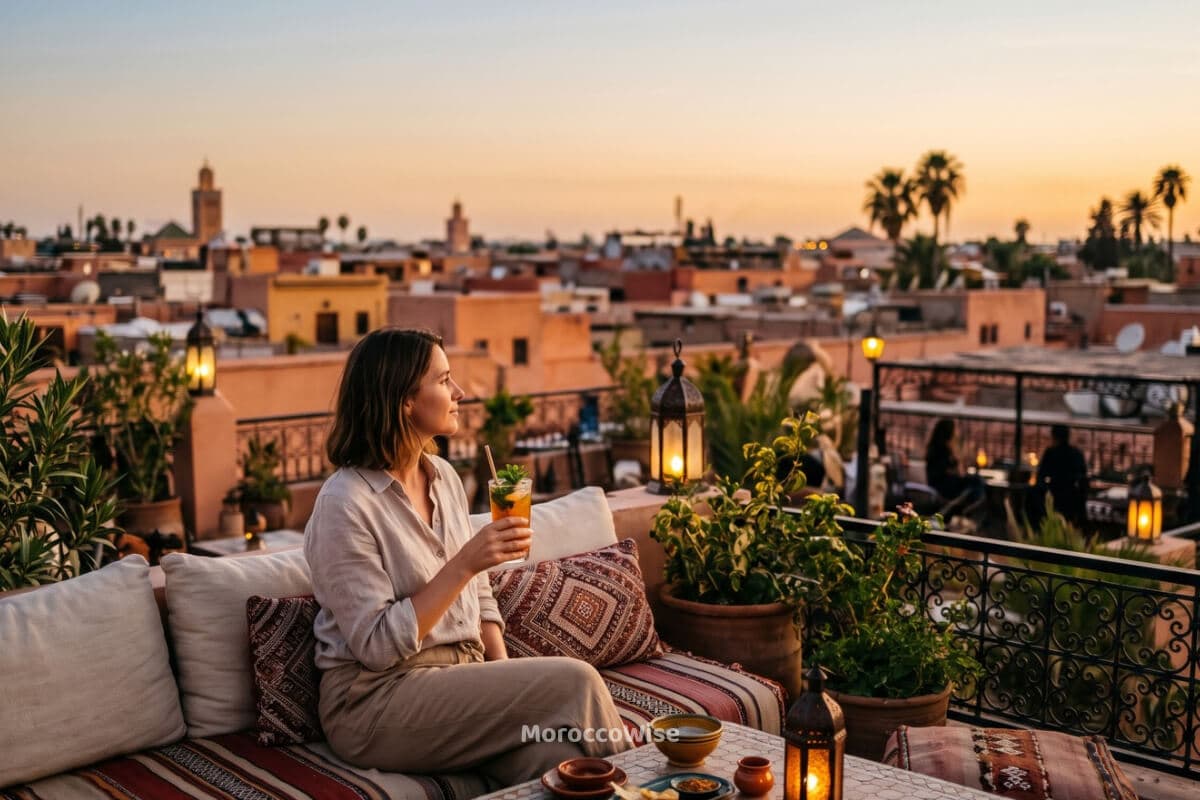
Yes, you can drink alcohol in Morocco, but the alcohol laws in Morocco confine it to licensed venues. Official travel advisories note that alcohol is available in licensed venues, and that drinking in the street or anywhere other than a licensed restaurant or bar is illegal and can lead to arrest. Drink driving is a serious offence, and Ramadan changes what is acceptable in public.
Visitors tend to blur three things: what the law says, what the religion asks of Muslims, and what counts as polite behaviour to the people around you. This guide keeps them apart based on official travel advice checked on 4 November 2026.
Is Alcohol Legal in Morocco?
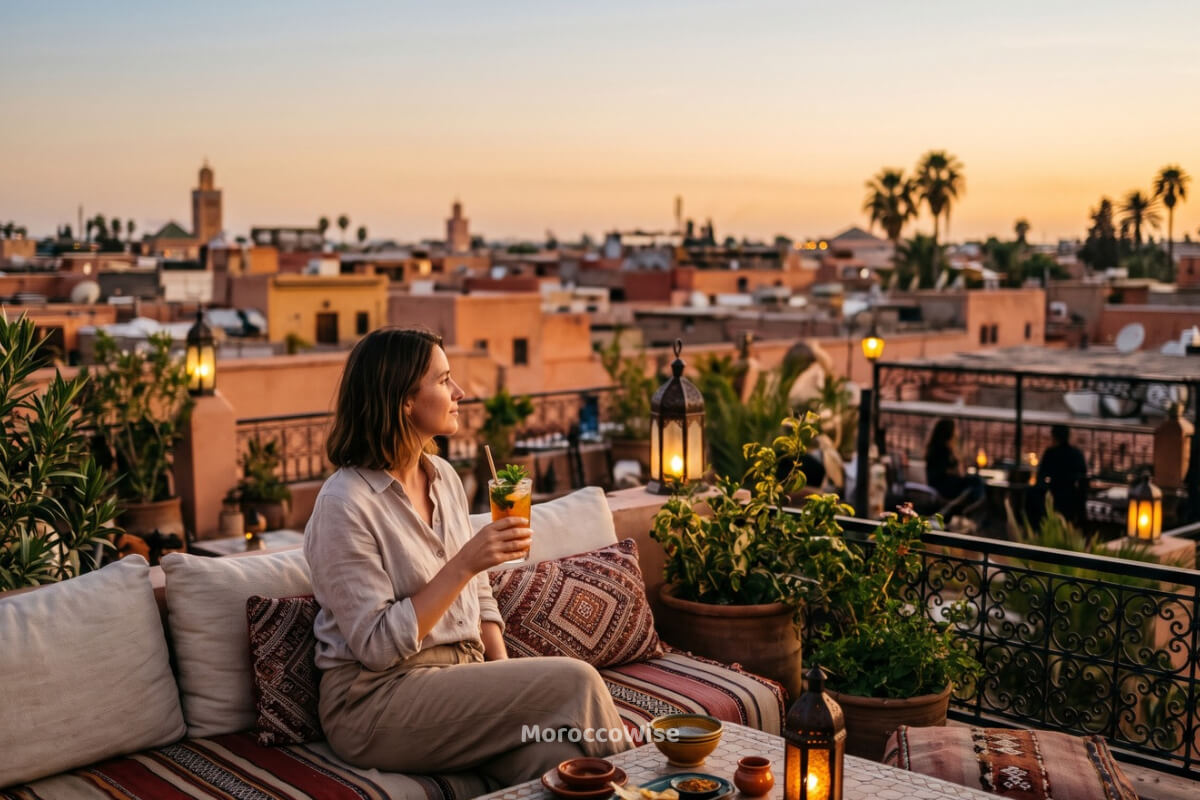
Alcohol is not banned outright. Official guidance describes a system where drinking is allowed in licensed businesses and prohibited elsewhere. Official advice specifically names licensed bars, hotels, and restaurants, warning that people who drink outside them may face detention or other penalties.
Morocco is an Islamic country, and its laws and customs reflect that. A licence lets a venue serve alcohol; it does not turn the pavement or public space outside into part of the venue.
Licence conditions, who a venue may serve, and how rules are applied can differ from place to place. The advisories also say little about private spaces such as a rented apartment, so ask your host or accommodation about their house rules.
If this is your first trip, check our What to Pack for Morocco: Money, Connectivity, and Everyday Essentials guide covering wider travel basics.
Understanding Public Drinking Rules in Morocco
The official wording covers the street and anywhere that is not a licensed restaurant or bar. Read literally, that rules out parks, beaches, public squares, a bench in the medina, and a beer carried down the road. Visitors from countries with relaxed open-container habits are the ones most likely to be caught out.
Drinking alcohol in public in Morocco can lead to arrest, detention, or other penalties according to government travel advisories.
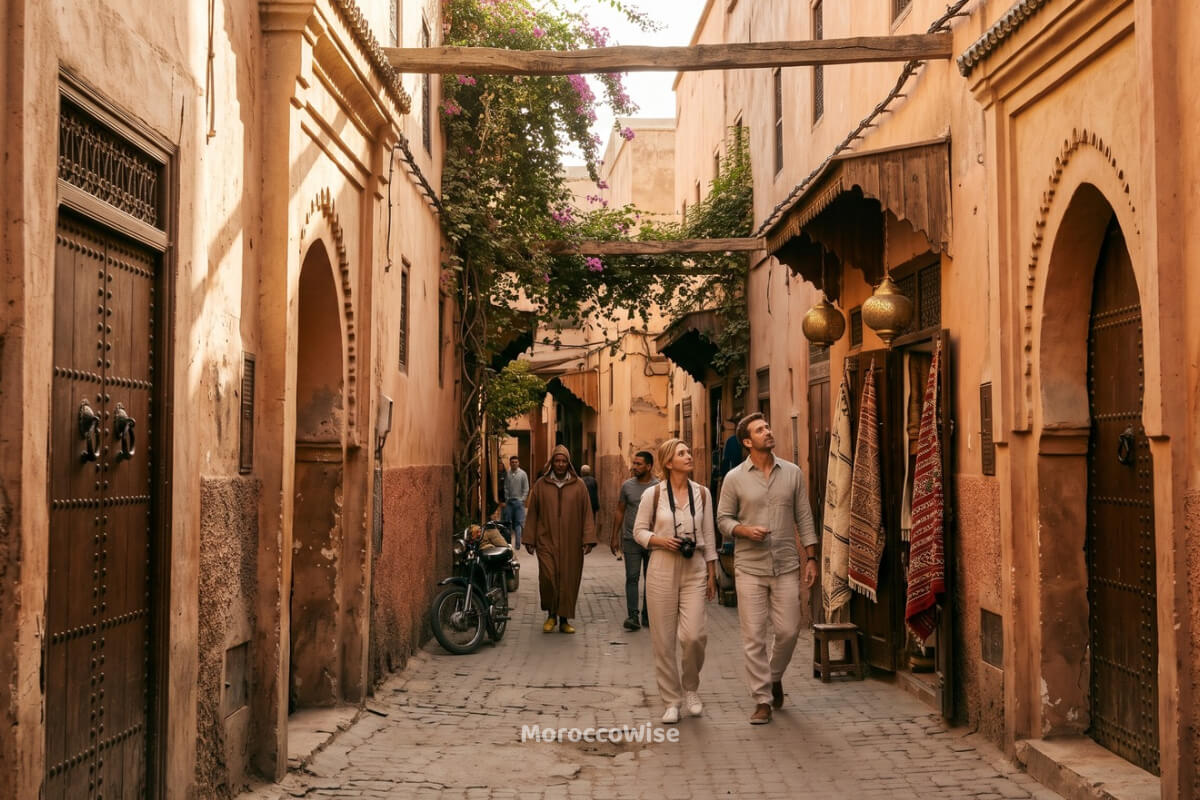
Law and etiquette overlap without matching. Recommendations on local customs suggest avoiding alcohol in public, dressing respectfully, and staying discreet. A hotel bar that holds a licence is within the rules. Weaving back through residential lanes afterwards is another matter, because even without a specific rule, residents will notice. For everyday financial and market etiquette, see our Cash vs Credit Card in Morocco guide.
Where to Buy Alcohol in Morocco
Alcohol is sold through specific, regulated channels across Moroccan cities:
- Supermarkets: You can purchase beer, wine, and spirits in select supermarkets with a dedicated liquor section known as La Cave (such as Carrefour Market and select Label'Vie branches). Keep in mind that Marjane discontinued alcohol sales across all stores nationwide. Supermarket liquor sections typically close earlier in the evening (often between 7:00 PM and 8:00 PM).
- Independent Bottle Shops (Débits de Boissons): Cities like Marrakech (primarily in Gueliz), Casablanca, and Rabat have standalone liquor stores. They are generally discreet, unmarked storefronts with frosted glass or curtains.
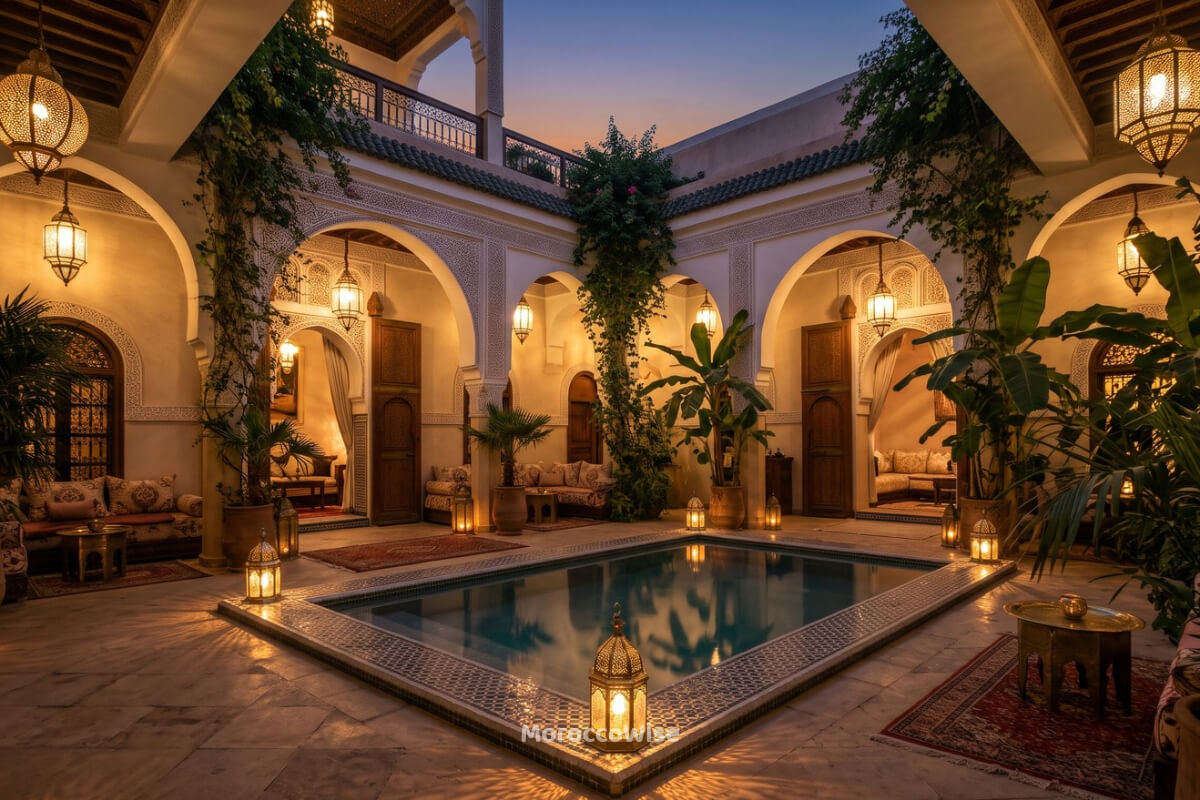
- Licensed Bars, Riads, and Restaurants: You can order drinks freely at licensed venues, international hotel chains, and tourist-oriented riad rooftop bars.
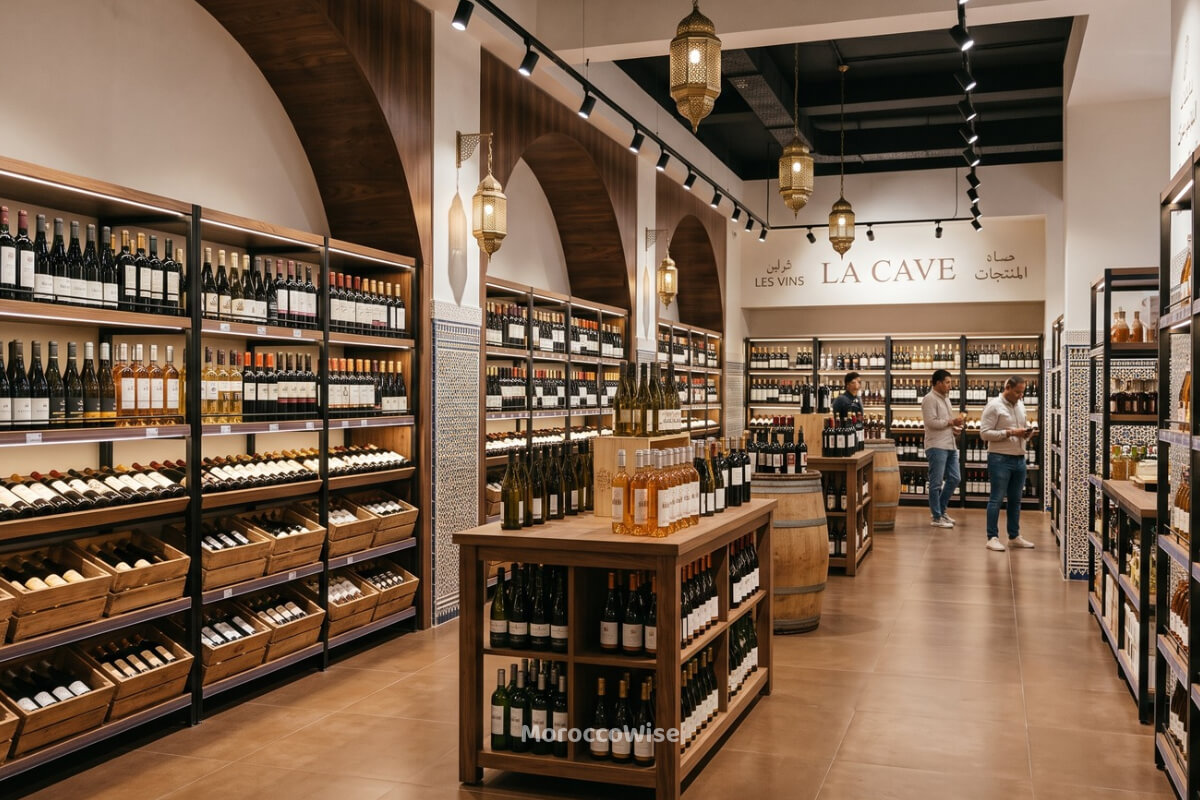
Alcohol Prices in Morocco (2026 Overview)
Prices vary depending on whether you purchase from a supermarket cave or order at an upscale rooftop bar in Gueliz or Hivernage:
| Beverage | Supermarket (La Cave) | Bar / Restaurant | Notes |
|---|---|---|---|
| Local Beer (Casablanca, Flag, Stork 33cl) | 12 – 22 MAD | 40 – 80 MAD | Casablanca is the most popular premium local lager. |
| Imported Beer (Heineken, Corona 33cl) | 20 – 30 MAD | 60 – 100 MAD | Widely served in international lounges. |
| Moroccan Wine (Guerrouane, Volubilia 75cl) | 50 – 120 MAD | 150 – 350 MAD | Morocco has an ancient wine tradition; Guerrouane is an accessible local favorite. |
| Mixed Cocktails & Spirits | N/A | 90 – 160 MAD | Available in licensed cocktail bars and luxury hotels. |
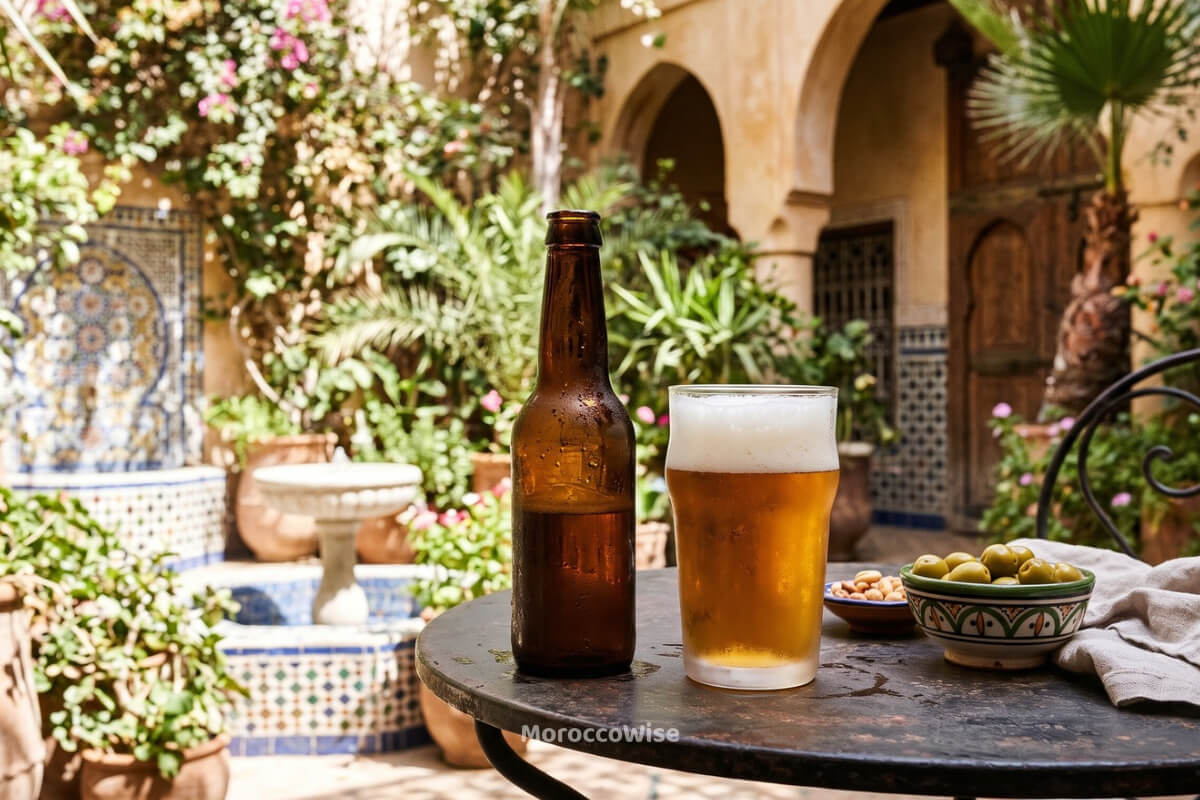
Alcohol and Moroccan Culture
Morocco's cultural framework is Muslim. Some Moroccans drink and many do not, and attitudes vary by person, family, generation, city, and region. A bartender in Casablanca and a farmer in the High Atlas share a country but live in different social worlds, so avoid treating any one guide, receptionist, or taxi driver as the voice of "the Moroccan view."
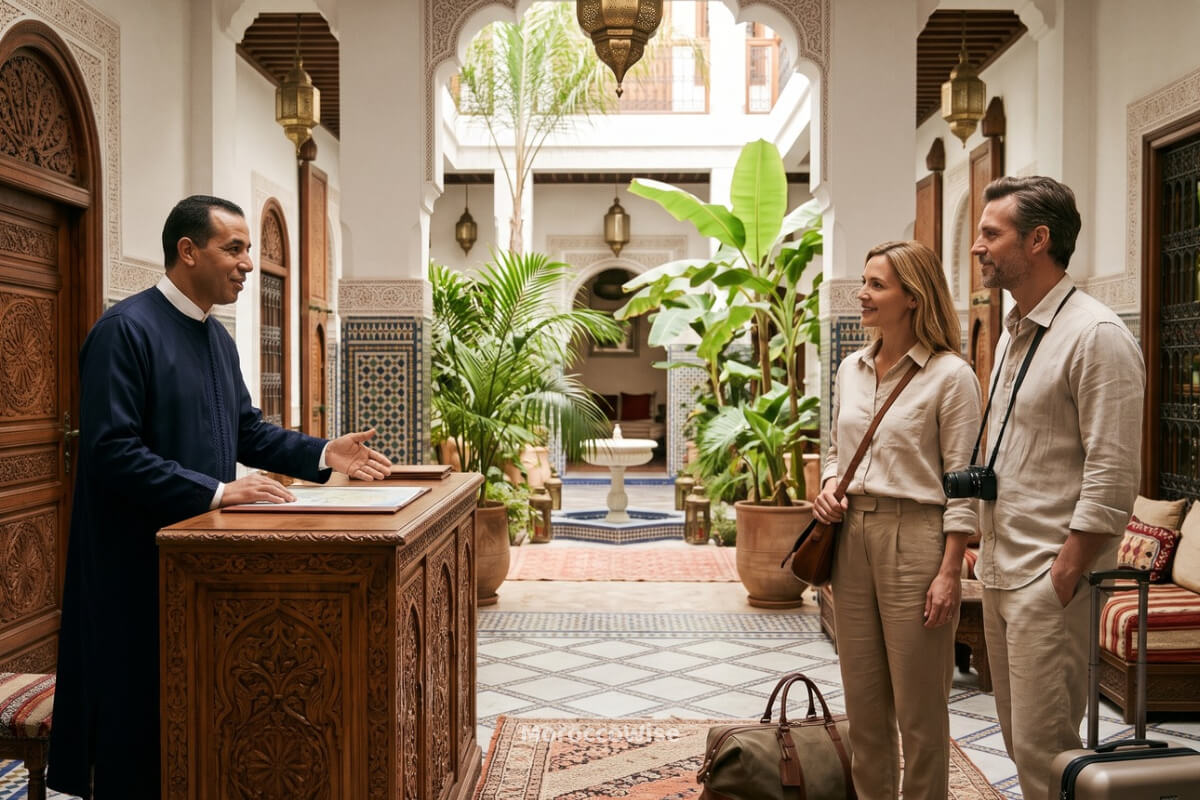
Discretion works as a courtesy here. Do not offer drinks to people you have just met, do not assume a guide or driver is comfortable with alcohol around them, and ask before bringing any into someone's home or a guesthouse.
Morocco Alcohol Rules During Ramadan
Ramadan is the Muslim holy month of fasting. Its dates shift each year with the lunar calendar (with the next cycles beginning around February 2027).
Nobody expects an international visitor to fast, but official advice asks you to keep it out of sight. Eating, drinking, swearing, smoking, or chewing gum in public during the day may cause offence, and visitors are asked to refrain from drinking, eating, and smoking in public between sunrise and sunset. Some hotels and restaurants that serve food or drink during fasting hours may seat non-fasting guests apart from Muslim guests, sometimes behind discreet screens.
For alcohol, regulations tighten significantly: during Ramadan it is often not possible to buy alcohol in supermarkets, most local bars close completely, and drinking in public is strictly prohibited. Plan evenings that do not depend on alcohol, and check official pages again close to your travel dates. Roads also get erratic around dusk as people hurry home for Iftar.
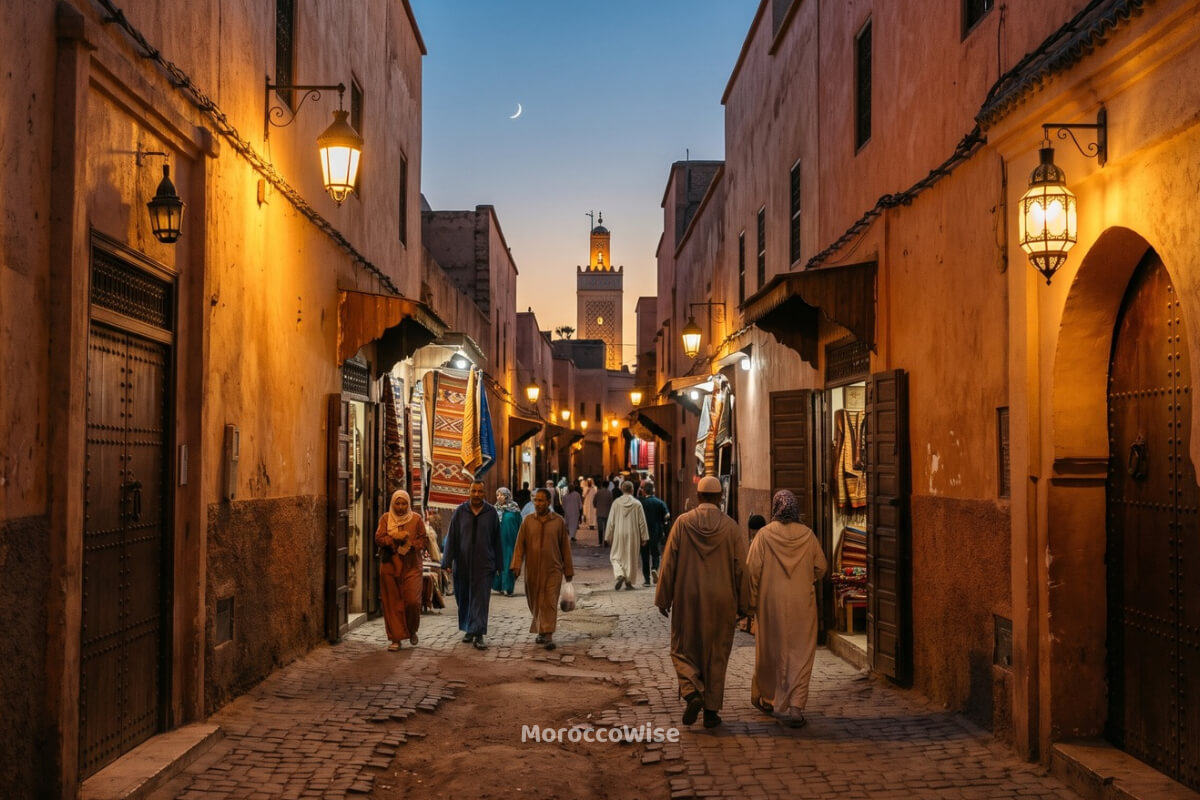
Drinking and Driving Laws in Morocco
Never drive after drinking alcohol in Morocco. Drink driving is treated as a very serious offence. Anyone tested and found with alcohol in their system can face severe fines and possible imprisonment. Legal summaries of Moroccan traffic law put the measurable limit at 0.20 grams per litre of blood (or 0.10 milligrams per litre of breath) set under Law 52-05. That is far lower than the limit in many visitors' home countries, so treat the safe number as zero.
Road conditions add to the case: poor lighting makes night driving hazardous, and fatal accidents are common on unlit rural routes. A driver considered responsible for a crash may face strict legal consequences.
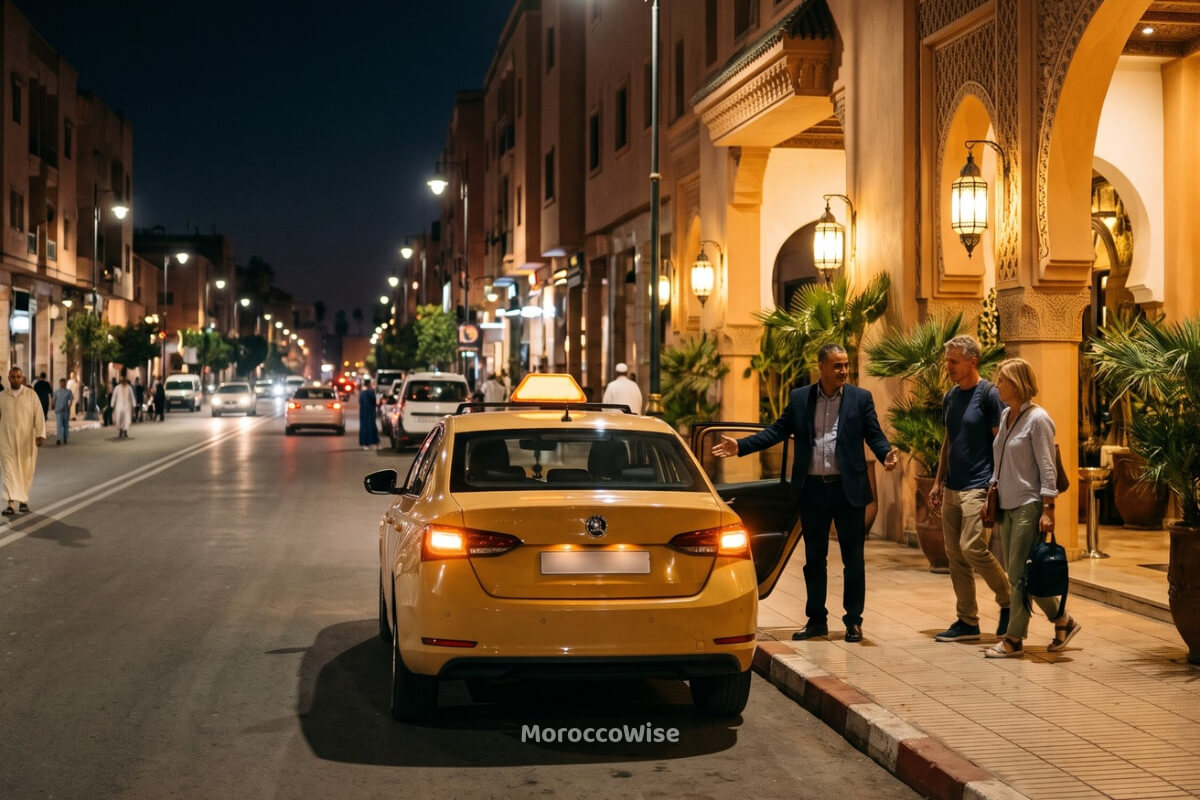
If your evening involves a drink, arrange your transport home first. Agree on a taxi fare in advance or ensure the taxi uses a meter. Your hotel or riad can usually call a reputable, licensed taxi for you. More road and transit advice sits in our Getting Around Morocco: The Ultimate Guide to Trains, Buses, and Taxis guide.
Common Misunderstandings Travelers Should Avoid
- A permitted drink in a bar does not make drinking in the street permitted: The rule follows the location, and a scenic viewpoint or public beach is not a licensed venue.
- Ramadan customs apply to public shared spaces: While fasting is religious, visitors are asked to respect local norms and avoid eating, drinking, or smoking in open public view during daylight hours.
- Public drinking is not an ignored grey area: Official advisories confirm that public drinking is prohibited and can lead to detention or arrest.
- Rules differ between venue types: Licensing applies strictly venue by venue. An international hotel bar in Gueliz sits in a completely different regulatory and social setting from a village guesthouse.
- Holiday status does not suspend local law: Foreign visitors must abide by Moroccan laws in riads, resorts, and organized tours alike.
Practical Cultural and Safety Tips
- Check advisories: Review official travel advice before your trip.
- Stay in licensed venues: Keep alcohol consumption strictly inside licensed hotels, restaurants, and bars, and maintain low-key behavior when returning to your riad.
- Take the methanol warning seriously: The UK government reports deaths and serious illnesses in Morocco from unregulated alcoholic drinks containing toxic methanol, which cannot be detected by smell or taste. Review symptoms of spiking and methanol poisoning on the official UK Travel Aware portal and seek immediate medical help (Call 150 for medical emergencies or 190 for police in Morocco).
- Plan your ride: Settle your return transport with a licensed taxi before having a drink.
- Ask permission at Riads: Always ask before bringing purchased bottles into a private riad or guesthouse out of respect for Muslim staff and owners.
- Emergency info: Keep emergency contacts and your accommodation's exact address saved offline on your phone.
Final Verdict: Know the Alcohol Laws in Morocco Before You Go
Drink inside licensed venues, remain discreet outside them, expect stricter public norms during Ramadan, and never drive after drinking. Treat local customs with respect, and you will enjoy a seamless, hassle-free Moroccan holiday.
Frequently Asked Questions
Is alcohol legal in Morocco?
Alcohol is available in licensed venues, and official advisories treat drinking in licensed bars, restaurants, and hotels as permitted. Drinking in public spaces is strictly prohibited.
Is drinking alcohol in public allowed in Morocco?
No. Drinking in the street, on beaches, or anywhere other than a licensed establishment is illegal and can lead to detention or arrest.
Can you buy alcohol in Moroccan supermarkets?
Yes, but only in select supermarkets with a separate La Cave section (such as Carrefour). Marjane does not sell alcohol.
Do alcohol rules change during Ramadan?
Yes. Supermarkets close their alcohol sections, many standalone bars close for the month, and public drinking is strictly forbidden. Discretion during daytime hours is expected across the country.
What should visitors know about drinking and driving?
Do not drink and drive under any circumstances. Morocco enforces a near-zero tolerance policy (0.20 g/l blood alcohol limit under Law 52-05), and violations can lead to heavy fines and imprisonment.
Are Moroccan alcohol laws different from local cultural expectations?
Yes. The law establishes where alcohol can be sold and consumed. Cultural norms place high value on modesty, privacy, and respect for Islamic traditions. An action may be legally tolerated inside a licensed lounge while still causing genuine offense in residential streets.